
Septic Tank Structural Repair
Professional, high-quality structural repair services from a licensed and insured contractor that restore your septic tank’s integrity and extend its working life
Available 24/7 – Call Now for a Free Quote
Why Choose Lakes Region Septic?
Nationwide service coverage
Licensed and insured technicians
Same-day emergency service
Satisfaction guarantee on every job
5 Highlights on Septic Tank Structural Repair
Crack and fracture sealing
We locate and repair cracked concrete, fiberglass, and polyethylene septic tanks using commercial grade epoxy liners and crack sealant to restore a watertight seal before groundwater infiltration worsens the damage. Our reliable systems approach addresses pipe and line issues at the source.
Baffle replacement and reinforcement
Deteriorated or collapsed inlet and outlet baffles get replaced with corrosion resistant tee fittings, keeping solids, scum, and effluent properly separated inside the tank. Our line installation work ensures proper flow throughout the system.
Riser and lid restoration
Compromised access ports, risers, and lids are patched, resealed, or replaced so your system stays sealed, safe, and accessible for future pumping and inspection.
Wall and floor relining
We coat and reline interior tank surfaces with structural membranes and fiberglass repair kits that reinforce weakened walls and stop active leaking at the source.
Root intrusion remediation
Invasive roots that have fractured tank walls or penetrated joints are removed, and the affected areas are grouted, patched, and waterproofed to prevent reentry. Root intrusion can cause clogged sewer line issues and damage to gas line installation areas nearby.
Why Choose Our Septic Tank Structural Repair
Septic tank structural repair is a specialized trade. Not every septic company or plumbing contractor has the equipment, training, or materials to diagnose and fix compromised underground tanks. Lakes Region Septic does.
Our certified technicians carry years of hands on experience and deep knowledge repairing precast concrete tanks, fiberglass units, and polyethylene holding tanks across residential and commercial properties. We use inspection cameras to diagnose the exact location and severity of every crack, fracture, or corroded section before we begin work. That means no guesswork and no unnecessary excavation. Our highly trained team is ready to address your plumbing needs and sewer system issues.
We stand behind every structural repair with a written workmanship guarantee. Our crews seal, patch, reline, and reinforce tanks to meet or exceed local code requirements, and we document every step for your records and for health department compliance.
Lakes Region Septic owns its own vacuum trucks and excavation equipment. We don’t subcontract the critical work. When you call us, our team shows up, diagnoses the problem, and completes the repair — start to finish. You can rest assured and have peace of mind knowing the job is done right.
We’re a top rated, trusted septic service provider in the Lakes Region, known for great customer service and plumbing services. Our pricing is transparent, our timelines are honest, and our repairs last. Customers highly recommend us as the best choice for their needs. If your tank has structural damage, we’re the qualified experts to fix it right.
Signs You Need Septic Tank Structural Repair
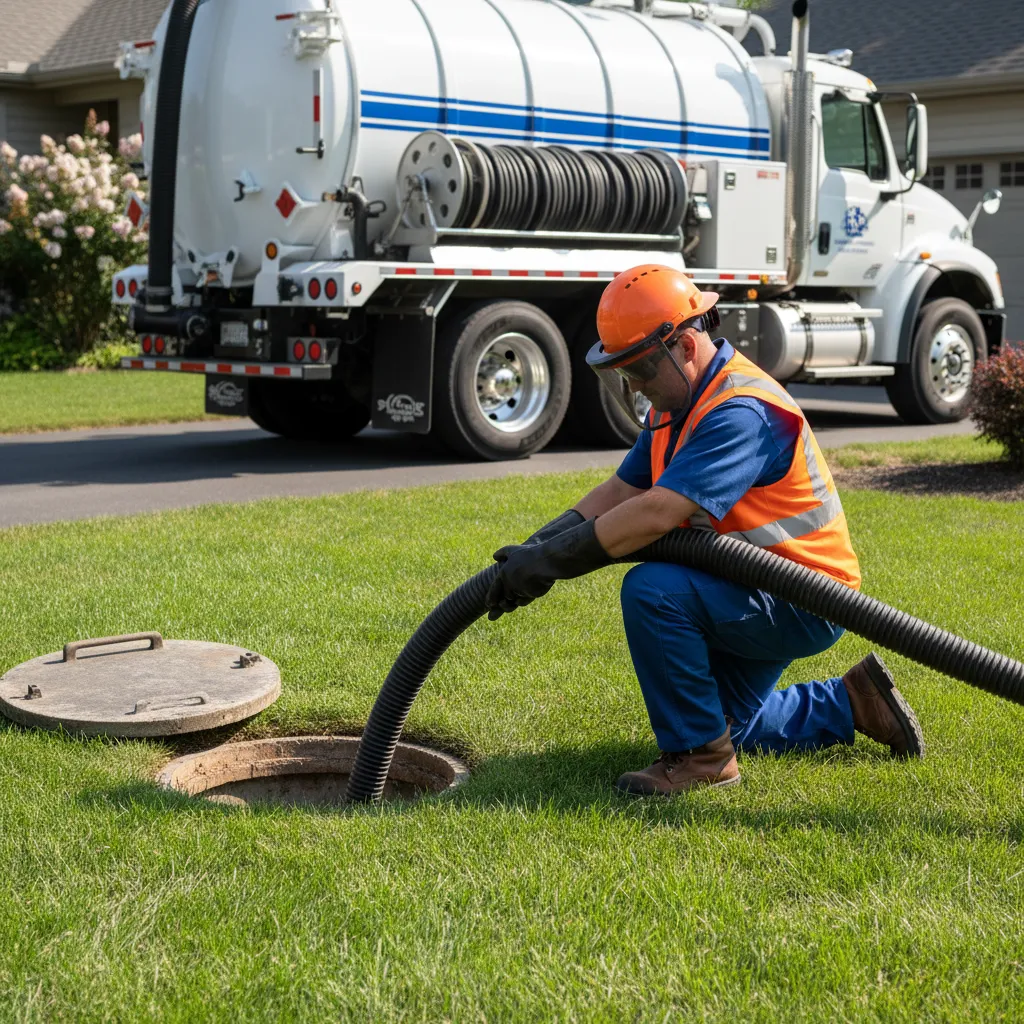
Septic tank structural repair becomes necessary when the physical body of your tank starts to fail or break down. Here are five signs that your tank has a structural problem demanding professional attention.
Standing water or soggy soil near the tank:
When a septic tank wall cracks or a joint seal fails, wastewater seeps into the surrounding soil. You’ll notice wet, spongy ground directly above or beside the tank even during dry weather. This seepage can contaminate groundwater and violate health codes. Your property and water supply must be protected.
Foul odors near the tank or inside the home:
A fractured lid, a corroded riser, or a collapsed baffle lets sewer gas escape from your sewer system. If you smell sewage near your access port or in your basement, the tank’s structural envelope is compromised. Gases like hydrogen sulfide shouldn’t reach the surface on an intact system.
Repeated backups after recent pumping:
Your pumper truck just emptied the tank, but drains are slow again within weeks. Groundwater infiltration through cracked walls can refill a damaged tank rapidly, overwhelming the system and pushing effluent back toward the house.
Visible cracks or shifting during inspection:
A camera inspection or visual check through the access port reveals hairline fractures, spalling concrete, or sections of wall that have shifted out of alignment. These are signs of active deterioration that will worsen with freeze and thaw cycles and soil pressure.
Tank alarm or float switch triggering frequently:
If your pump chamber alarm keeps sounding, the problem may not be the pump. A structurally failing tank that allows infiltration raises liquid levels beyond what the float switch considers normal, triggering repeated false alarms.
Our Septic Tank Structural Repair Process
Septic tank structural repair at Lakes Region Septic follows a clear, methodical sequence designed to identify the damage accurately and fix it permanently. When we’re finished, you’ll have a clean, fully functional system.

Locate and expose the tank
We use property records and electronic locators to find the tank. Our crew excavates the soil above the access ports, risers, and lid to expose the full working surface.
Pump and dewater
Our vacuum truck pumps out all sewage, sludge, and effluent. We dewater the tank completely so every interior surface is visible and workable.
Repair and reinforce
Depending on the damage, we seal cracks with structural epoxy, patch spalled concrete with mortar, reline interior surfaces with fiberglass or protective coatings, replace collapsed baffles, and waterproof compromised joints. Rebar reinforcement is added where walls have weakened.
Test and backfill
We fill the tank with water to confirm a watertight seal. Once the repair passes our leak test, we backfill the excavation, compact the soil, and restore the grade around the tank. At the end of the project, we leave your property clean and ready for use.
Brands We Use
Septic tank structural repair demands commercial grade materials built for underground, anaerobic environments.




Every product we install is rated for direct contact with wastewater and subsurface conditions.
Other Services
Septic tank structural repair
Septic tank wall repair
Septic tank relining
Septic tank baffle replacement
Septic tank leak repair
Septic tank crack repair
Cracked septic tank fix
Septic tank interior coating
Collapsed baffle repair
Leaking septic tank service
Concrete tank sealing service
Underground tank waterproofing
Fiberglass tank repair service
Inlet outlet baffle installation
Watertight septic tank restoration
FAQs About Septic Tank Structural Repair
What is septic tank structural repair?
Septic tank structural repair is the process of fixing physical damage to the tank body itself — cracks in walls or floors, corroded surfaces, fractured joints, collapsed baffles, and compromised lids or risers. The goal is to restore the tank to a watertight, structurally sound condition so it contains wastewater properly and meets code. For more information, get in touch with our customer service team.
When should I get my septic tank inspected for structural damage?
You should schedule an inspection every three to five years during routine pumping. If you notice soggy ground near the tank, persistent sewage odors, frequent backups, or your alarm keeps triggering, call for an inspection right away. Catching a crack or corroded wall early prevents a full tank failure. Request an appointment or get in touch today.
How long does a structural repair take?
Most septic tank structural repairs take one to two days. Simple crack sealing or baffle replacement can wrap up in a single visit. Extensive relining, wall reinforcement, or waterproofing may require a second day for curing and leak testing.
Can a cracked septic tank be repaired, or does it need replacement?
Many cracked tanks can be repaired successfully. Hairline fractures, localized spalling, joint separations, and single wall cracks respond well to epoxy injection, patching, and relining. If the tank has multiple collapsed sections, severe structural compromise, or has shifted in the ground, replacement becomes the better option. Our technicians will diagnose the damage and explain their findings to give you an honest recommendation.
Does septic tank structural repair require a permit?
In most Lakes Region municipalities, structural repairs that don’t change the tank size or system layout don’t require a full permit. Some towns do require notification or inspection by the local health officer. As a licensed contractor, we handle the paperwork and coordinate with your local authority so you stay compliant.
How much does professional septic tank structural repair cost?
Costs depend on the type and extent of damage, tank material, depth of excavation, and materials needed. Minor crack sealing may run a few hundred dollars. Full relining or baffle replacement with excavation typically ranges higher. We provide a detailed written estimate before any work begins. Call for a free quote or email us to request a free estimate. Thank you for considering Lakes Region Septic.