Pre-Purchase Septic Inspections
Protect your investment with a thorough septic and sewer evaluation before you close on any property – our reliable company is here to help
Available 24/7 – Call Now for a Free Quote
Why Choose Lakes Region Septic?
Nationwide service coverage
Licensed and insured technicians
Same-day emergency service
Satisfaction guarantee on every job
5 Highlights on Pre-Purchase Septic Inspections
Full system evaluation from tank to drain field
Our certified inspectors and experienced crew assess every component – the septic tank, distribution box, baffles, effluent filter, and absorption field – so buyers receive a complete picture of system condition before signing closing documents. We handle the full range of drainage and plumbing concerns with minimal disruption to your property. leaving the chamber clean and ready to process wastewater again. We handle residential and commercial tanks of every size.
Title V compliance verification
We determine whether the existing septic system meets current code requirements, including setback distances, tank capacity, and drain field functionality, giving buyers and realtors a clear compliance status to address any issues before closing.
Detailed inspection report within 24 hours
Each pre-purchase septic inspection produces a written report documenting system age, condition, pumpout records, and any code violations or failing components that need repair or remediation. Contact us for a prompt estimate on your project.
Camera inspection and dye testing included
We scope lateral lines, camera-inspect inlet and outlet pipes, and perform dye tests to locate leaks, clogged drains, or saturated leach fields that visual inspection alone can’t reveal. Our technology and expertise help solve problems efficiently.
Licensed, insured, and recognized by local health departments
Lakes Region Septic holds all required permits and certifications. Realtors, buyers, and sellers across the region trust our inspection reports for accuracy and thoroughness. Customer satisfaction drives everything we do.
Why Choose Our Pre-Purchase Septic Inspections
Pre-purchase septic inspections are a specialized service that demands both technical skill and local knowledge. Lakes Region Septic brings decades of hands-on experience evaluating residential and commercial septic systems throughout the Lakes Region. Our company serves restaurants, construction sites, and properties of all sizes. Our inspectors are licensed, certified, and trained to assess conventional gravity-fed tanks, mound systems, aerobic treatment units, chambered drain fields, and pressurized dosing configurations.
We don’t cut corners. Every pre-purchase septic inspection we perform includes a full tank pump, measurement of sludge and scum layers, evaluation of baffles and tee fittings, and a functional test of the drain field. We probe the soil over the absorption area, check for effluent surfacing or odorous conditions, and verify that risers, access ports, and alarm systems function properly. Our work is thorough, and we leave your lawn and house with minimal mess.
Our reports satisfy Title V requirements and hold up during escrow negotiations. Realtors refer us because we deliver clear, honest findings – no vague language, no guesswork. Buyers rely on our assessments to negotiate repairs or price adjustments. Sellers use our inspections to identify and correct problems before listing. We provide lasting solutions for every customer.
Lakes Region Septic stands behind every inspection with a professional guarantee of accuracy. We carry full liability coverage and maintain direct relationships with local health departments, soil scientists, and septic engineers. When you need a trusted, top-rated team to inspect a septic system before purchase, we’re the qualified choice. Our plumbing services and expertise ensure appropriate solutions for your needs.
Signs You Need Pre-Purchase Septic Inspections
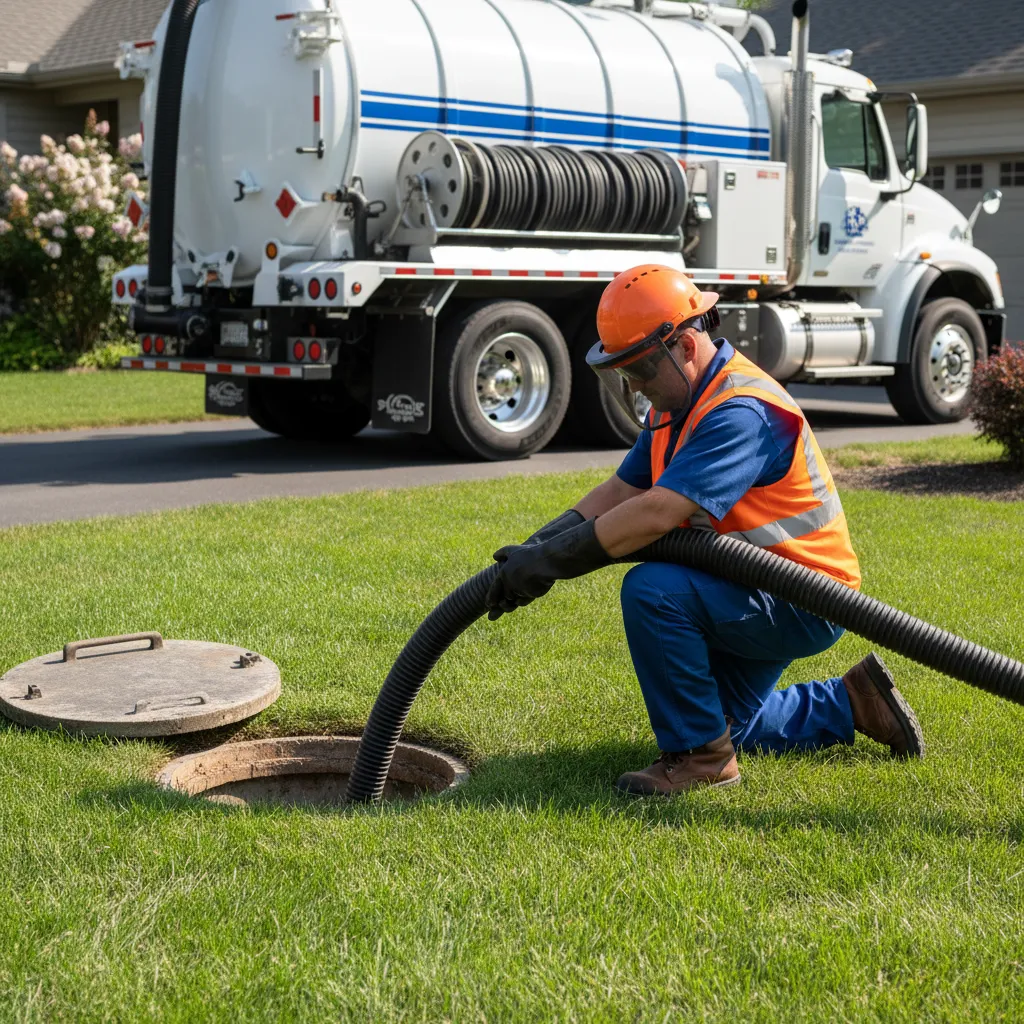
Pre-purchase septic inspections are necessary any time a property with a private wastewater or sewer system changes hands. Skipping this step can leave buyers responsible for thousands of dollars in unexpected repairs. Here are five situations where a thorough inspection is non-negotiable. Call us to fix these issues before they become costly emergencies.
The property has no pumpout records or service history:
A septic system without documented maintenance or routine maintenance records is a risk. Tanks that haven’t been pumped on schedule accumulate excessive sludge and waste solids, which can push untreated effluent into the drain field and cause premature failure. Our inspectors measure sludge depth and assess whether neglect has caused damage. Regular cleaning and pumping keeps your system running smoothly.
Wet spots or odorous areas appear near the leach field:
Saturated soil, standing water, or sewage odors over the absorption field indicate a failing or non-compliant system. These conditions suggest the drain field can no longer percolate effluent properly – a problem that may require full replacement. Issues with the lawn or drainage around your house can signal deeper problems. The cost of neglecting these warning signs is significant.
The home is more than 20 years old:
Concrete tanks corrode. Baffles deteriorate. Older distribution boxes crack and shift. A pre-purchase septic inspection identifies age-related structural problems that sellers may not disclose or even know about. Limited information about older tank installation and construction makes professional evaluation essential.
The seller cannot produce a valid Title V certificate:
In many jurisdictions, a passing Title V inspection is required before transfer of property. If the seller lacks current certification, a buyer should arrange an independent pre-purchase evaluation immediately. Contact us to help solve compliance problems promptly.
The property has a well within close proximity to the septic system:
When setback distances between the well and the septic tank or drain field are tight, contamination risk increases. Our inspectors verify setback compliance and test for signs of groundwater impact, protecting buyers from potable water concerns. We address these line and plumbing issues with the appropriate solution.
Our Pre-Purchase Septic Inspection Process
Pre-purchase septic inspections follow a structured, step-by-step protocol designed to evaluate every component of the wastewater system. Our reliable process ensures nothing is missed.

Records review and system location
We start by reviewing any available as-built drawings, site plans, septic designs, permits, and pumpout records. Our technicians then locate the septic tank, distribution box, and drain field using probe rods and electronic locators. Trenchless technology allows us to work with minimal disruption to your property.
Tank access and pumping
We dig to expose lids and access ports if risers aren’t present, always keeping mess to a minimum. The tank gets pumped completely. This allows us to inspect the interior walls, check for cracks, corrosion, or leaking seams, and evaluate the condition of inlet and outlet baffles and effluent filters.
Component testing
We camera-inspect inlet and outlet pipes, scope lateral lines for blockages or root intrusion and clearing, and test pump chambers, float switches, control panels, and alarms on pressurized or dosed systems. Aerobic treatment units receive a full operational assessment. Toilets, drains, and all fixtures are checked for proper function.
Drain field evaluation
Our inspectors probe the soil over the entire absorption area to check for saturated conditions, biomat buildup, or effluent surfacing. We perform dye tests when needed to confirm proper flow from the distribution box through all lateral lines. Our trenchless plumbing methods minimize impact on your lawn.
Report and consultation
Within 24 hours, we deliver a detailed inspection report documenting system type, condition, measurements, photographs, and any code violations. We review findings directly with the buyer, realtor, or attorney and recommend next steps – whether that’s a clean bill of health, minor repairs, or full system remediation. Our project estimate includes installation costs if grease trap or tank installation services are needed.
Brands We Use
Lakes Region Septic uses products and instruments from these trusted manufacturers:



All equipment is calibrated, maintained, and operated by trained technicians.
Other Services
Pre-purchase septic inspection
Septic system inspection for buyers
Pre-sale septic evaluation
Residential septic inspection
Septic inspection near me
Emergency septic service
Grease trap service
Septic inspection before buying a home
Buyer septic assessment
Septic inspection for property transfer
Home septic system assessment
Local septic inspection service
Septic help
Restaurant grease cleaning
Title V inspection, septic system evaluation, home buying septic check
Septic tank condition report, real estate septic test, drain field evaluation
Septic compliance check, septic certification, escrow septic inspection
Septic tank pumping inspection, leach field test, distribution box check
Lakes Region septic inspector, certified septic evaluation, licensed septic technician
Fix septic issues, solve drainage problems, reliable emergency response
Grease trap pumping, waste removal, routine maintenance for restaurants
FAQs About Pre-Purchase Septic Inspections
What does a pre-purchase septic inspection include?
A pre-purchase septic inspection covers the full system – septic tank interior, baffles, effluent filter, distribution box, pump chamber, and drain field. We pump the tank, camera-inspect pipes, probe the absorption area, and perform dye tests when conditions warrant. The result is a comprehensive inspection report documenting system condition and compliance status. We can also evaluate grease traps and sewer connections as needed.
When should I schedule a pre-purchase septic inspection?
Schedule the inspection as early as possible during the due diligence period. Most buyers arrange it within the first week after an accepted offer. This gives time to review findings, request repairs, or negotiate price adjustments before closing. Contact us today to get a prompt estimate for your project.
Why can't I just rely on the seller's disclosure form?
Sellers may not know the true condition of their septic or sewer system. Disclosure forms capture what the owner reports, not what a licensed inspector finds. A pre-purchase septic inspection provides independent, verified data about tank integrity, drain field function, and code compliance. Our expertise helps identify issues that owners often miss.
How long does the inspection take?
Most residential pre-purchase septic inspections take two to four hours on site, depending on system complexity and accessibility. Larger properties, engineered systems, or mound-type configurations may require additional time. Our crew works efficiently to handle every project with minimal disruption to your schedule.
Can a failed inspection kill a real estate deal?
A failed inspection doesn’t automatically end a transaction. It gives the buyer leverage to negotiate repairs, request a remediation plan, or adjust the purchase price. Some sellers agree to escrow funds for system replacement. Our detailed report gives all parties the information they need to make informed decisions. We help solve these issues with appropriate, lasting solutions.
Does the inspection satisfy Title V requirements?
Yes. Lakes Region Septic performs inspections that meet Title V standards where applicable. We submit reports directly to the local health department and provide certified copies to buyers, sellers, and realtors involved in the transaction. Customer satisfaction and reliable service are our priorities.