
Drain Field Repair
Professional drain field repair that restores your septic system’s absorption capacity and keeps wastewater flowing where it should.
Available 24/7 – Call Now for a Free Quote
Why Choose Lakes Region Septic?
Nationwide service coverage
Licensed and insured technicians
Same-day emergency service
Satisfaction guarantee on every job
5 Highlights on Drain Field Repair
Full Lateral Line Replacement
Our crew excavates failing perforated pipes and installs new lateral lines across your entire soil absorption system, restoring proper effluent dispersal through fresh gravel bed and drainrock.
Biomat Remediation
We treat clogged leach fields by breaking down the bacterial biomat that forms along trench walls, using targeted aeration and bioaugmentation to rejuvenate saturated soil and restore percolation rates
Distribution Box Repair
A damaged or tilted D-box sends uneven flow to your lateral lines. We level, replace, or retrofit distribution boxes so effluent reaches every absorption trench equally.
Soil and Perc Testing
Before any drain field repair begins, we conduct perc tests and evaluate your soil profile to determine water table depth, permeability, and the best corrective approach for your property.
Mound and Alternative System Repairs
Lakes Region Septic services conventional, mounded, chambered, and drip irrigation drain fields. We match repair methods to your specific system type and local code requirements.
Why Choose Our Drain Field Repair
Drain field repair is one of the most technically demanding jobs in the septic industry. It requires precise knowledge of soil conditions, hydraulic loading, and system design. Lakes Region Septic brings decades of hands-on field experience to every repair we perform.
Our septic contractors hold current state certifications and carry full liability coverage. We operate our own excavators and backhoes, so we control the timeline from first dig to final backfill. No subcontractors. No delays waiting on rented equipment.
We stand behind our drain field repair work with a written warranty on all parts and labor. If a replaced lateral line, distribution box, or effluent filter fails within the warranty period, we come back and fix it at no charge.
Our team also handles permitting. Drain field repairs in the Lakes Region often require soil evaluations, setback measurements, and approval from local health departments. We manage that paperwork so you don’t have to chase it down yourself.
Pricing stays transparent from the start. After we inspect your failing drain field and assess the scope of damage, you receive a detailed written estimate. No hidden fees appear on the final invoice. That’s how a trusted septic contractor should operate, and it’s how we’ve built our reputation across the Lakes Region.
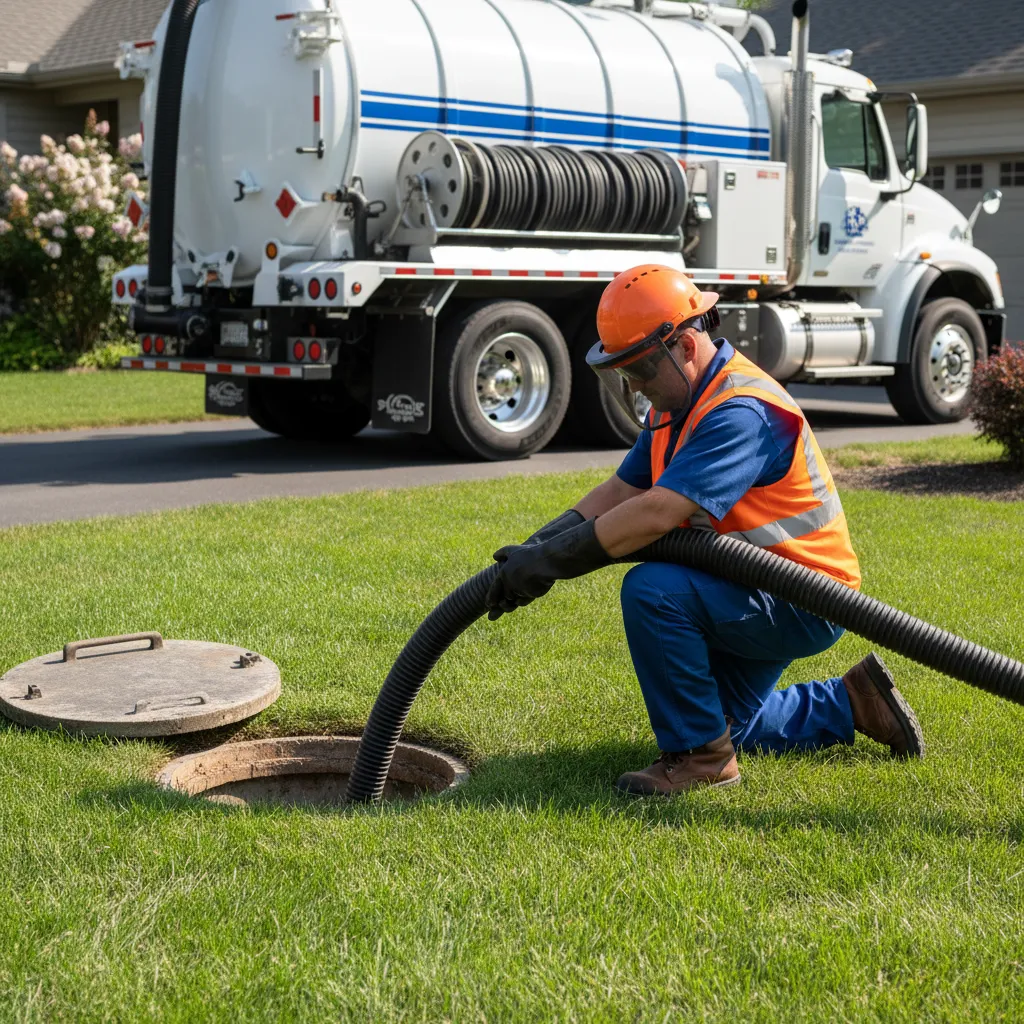
Signs You Need Drain Field Repair
Drain field failure doesn’t happen overnight. It builds gradually, and catching the warning signs early can save you thousands in replacement costs. Here are five indicators that your leach field needs professional attention.
Soggy or Waterlogged Yard Over the Drain Field:
Standing water or persistently soggy ground directly above your lateral lines means effluent isn’t percolating into the soil. The absorption trenches may be saturated, the gravel bed compacted, or a thick biomat may be blocking flow through the trench walls. This is the most visible sign of a failing drain field.
Foul Odors Near the Leach Field:
Odorous gases escaping from the soil surface indicate that raw or partially treated wastewater is pooling near ground level. Septic effluent should disperse deep in the subsurface. When you smell it above ground, the system can’t absorb and filter properly.
Slow Drains and Toilet Backups Inside the Home:
When your drain field can’t accept more effluent, wastewater backs up through the entire system. Slow drains in the lowest fixtures — basement sinks, ground floor showers — often point to a hydraulic overload in the leach field rather than a simple clog in the drainpipe.
Bright Green Grass Strips Over Lateral Lines:
Unusually lush vegetation growing in rows above your perforated pipes means nitrogen and phosphorus rich effluent is surfacing. The grass feeds on those nutrients. It looks healthy, but it signals that your soil absorption system is discharging too close to the surface.
Coliform or Nitrate Contamination in Nearby Wells:
If a water test reveals elevated coliform or nitrate levels, a failing drain field may be leaching untreated wastewater into the groundwater. This is a public health concern that demands immediate drain field repair or replacement.
Our Drain Field Repair Process
Drain field repair at Lakes Region Septic follows a structured sequence designed to diagnose the root cause and deliver a lasting fix.

Inspection and Diagnosis
We pump the septic tank first, then inspect the effluent filter, baffles, and outlet pipe. Next, we open the distribution box and check flow levels to each lateral line. We probe the drain field soil for saturation depth and run a camera through accessible perforated pipes to locate collapses, root intrusion, or heavy biomat buildup.
Soil Evaluation
We dig test pits and perform perc tests to measure how quickly the soil absorbs water. We examine the soil profile for compacted layers, clay lenses, or a high water table. These findings determine whether we can rehabilitate the existing field or need to trench new absorption lines.
Repair or Replacement
Based on our findings, we excavate damaged sections, remove clogged drainrock and failed geotextile fabric, and install new perforated pipe, crushed gravel, and chamber systems as needed. We grade the trench bottoms to maintain proper gravitational flow and backfill with approved materials.
Testing and Verification
We dose the repaired drain field with water from the pump chamber and monitor distribution across all lateral lines. We verify even flow at the D-box and confirm that effluent disperses without surfacing.
Site Restoration and Documentation
We backfill, compact, and regrade the work area. You receive a complete report with photos, soil data, and maintenance recommendations to keep your repaired drain field functioning for years.
Brands We Use
Lakes Region Septic installs products from manufacturers with proven track records in the septic industry.










Proper installation protects your warranty and your groundwater.
Other Services
Drain field repairv
Drain field replacement
Failing drain field
Drain field inspection
Drain field repair near me
Septic technicians
Emergency drain field service
Gas leaks detection
Odor elimination
Sewer repair
Plumbing system
Cost-effective solutions
Leach field repair
Leach field replacement
Clogged leach field
Septic field evaluation
Local leach field repair service
Sludge removal
Expert septic contractors
Sewers and drainfields
Septic systems service
Emergency plumbing
Sewer line service
Same day service
Septic absorption trench restoration
Lateral line installation and gravel bed
Biomat remediation and soil percolation
Perc test and distribution box diagnosis
Septic system drain field contractor
Bacteria treatment
Plumbers and septic specialists
Septic tank pumped
Water heater installation
Water heater service
Plumbing services
Sewer cleaning
FAQs About Drain Field Repair
What is drain field repair?
Drain field repair is the process of restoring a failing or clogged soil absorption system so it can properly disperse septic tank effluent into the ground. Repairs range from replacing a single crushed lateral line to excavating and rebuilding the entire leach field with new perforated pipe, drainrock, and distribution components.
When should I schedule a drain field repair?
Schedule a repair as soon as you notice soggy ground over the leach field, foul odors in the yard, slow drains throughout the house, or unusually green grass above the lateral lines. Early intervention often means we can rehabilitate the existing field instead of replacing it entirely.
Why do drain fields fail?
Drain fields fail for several reasons. Hydraulic overloading from excess water use saturates the soil. Non-biodegradable solids and grease pass through the septic tank and clog the perforated pipes. Compacted soil from vehicles or heavy equipment parked over the field crushes pipes and reduces permeability. A rising water table can also waterlog the absorption trenches.
How long does a drain field repair take?
Most drain field repairs take one to three days depending on the scope. A single lateral line replacement may wrap up in a day. A full field rebuild with new gravel bed, chamber system, and distribution box typically runs two to three days from excavation through final grading.
Can a drain field be repaired without full replacement?
Yes. If the soil still percolates well and only a portion of the system has failed, we can replace individual lateral lines, clear biomat through aeration and bioaugmentation, or retrofit the distribution box to reroute flow to functional sections of the field.
Does drain field repair require a permit?
In most Lakes Region municipalities, yes. Drain field repairs that involve excavation and component replacement require a septic system permit from the local health department. Lakes Region Septic handles the permit application, soil evaluation, and inspection scheduling on your behalf.