
Emergency Septic Pumping
Fast, reliable emergency septic pumping when your system fails without warning
Available 24/7 – Call Now for a Free Quote
Why Choose Lakes Region Septic?
Nationwide service coverage
Licensed and insured technicians
Same-day emergency service
Satisfaction guarantee on every job
5 Highlights on Emergency Septic Pumping
24/7 Rapid Response
Our emergency septic pumping crews dispatch vacuum trucks around the clock, including weekends and holidays, to pump out overflowing septic tanks before sewage backs up into your home or saturates your drain field.
Full System Diagnosis
Every emergency septic pumping call includes a thorough inspection of your baffle, effluent filter, inlet pipe, outlet pipe, and distribution box to identify the root cause of the failure, not just the symptom
Residential and Commercial Coverage
We service single family septic tanks, multi unit holding tanks, cesspools, grease traps, and commercial pump chambers across the entire Lakes Region with professional grade equipment.
Contamination Prevention
Emergency septic pumping stops raw sewage, blackwater, and untreated effluent from reaching groundwater, the water table, and nearby soil absorption areas, protecting your property, your neighbors, and the local ecosystem.
Transparent Emergency Pricing
You’ll receive a clear quote before our septic service technician begins work. No hidden fees. No inflated after hours surcharges. Just honest, expert emergency pumping when you need it most.
Why Choose Our Septic Tank Pumping
Emergency septic pumping is a service you hope you’ll never need, but when sewage backs up through your drains at 2 a.m., you need a pumping contractor who answers the phone. Septic emergencies can overwhelm your entire plumbing system within hours. Lakes Region Septic has provided trusted emergency septic pumping across the region for years, and our reputation stands on speed, skill, and straight talk.
Our fleet includes dedicated vacuum trucks and pump trucks equipped with high capacity hoses, hydro jetters, and onboard cameras for real time inspection. Every septic service technician on our team holds current certifications and carries the permits required by the local health department. We don’t send a dispatcher to relay messages. A qualified technician picks up your call, walks you through immediate steps to minimize damage, and rolls a truck to your property.
We guarantee arrival within our posted response window or we waive the trip charge. That’s a commitment most competitors won’t make.
Lakes Region Septic also coordinates directly with your health department if your emergency involves a reportable overflow or groundwater contamination. We handle the paperwork, the remediation plan, and the follow up soil testing so you don’t have to chase permits while standing in a flooded yard.
Choose a team that treats your emergency like their own. We pump, diagnose, and repair – all under one call. From emergency plumbing service to tank installation and comprehensive cleaning services, Lakes Region Septic handles it all.
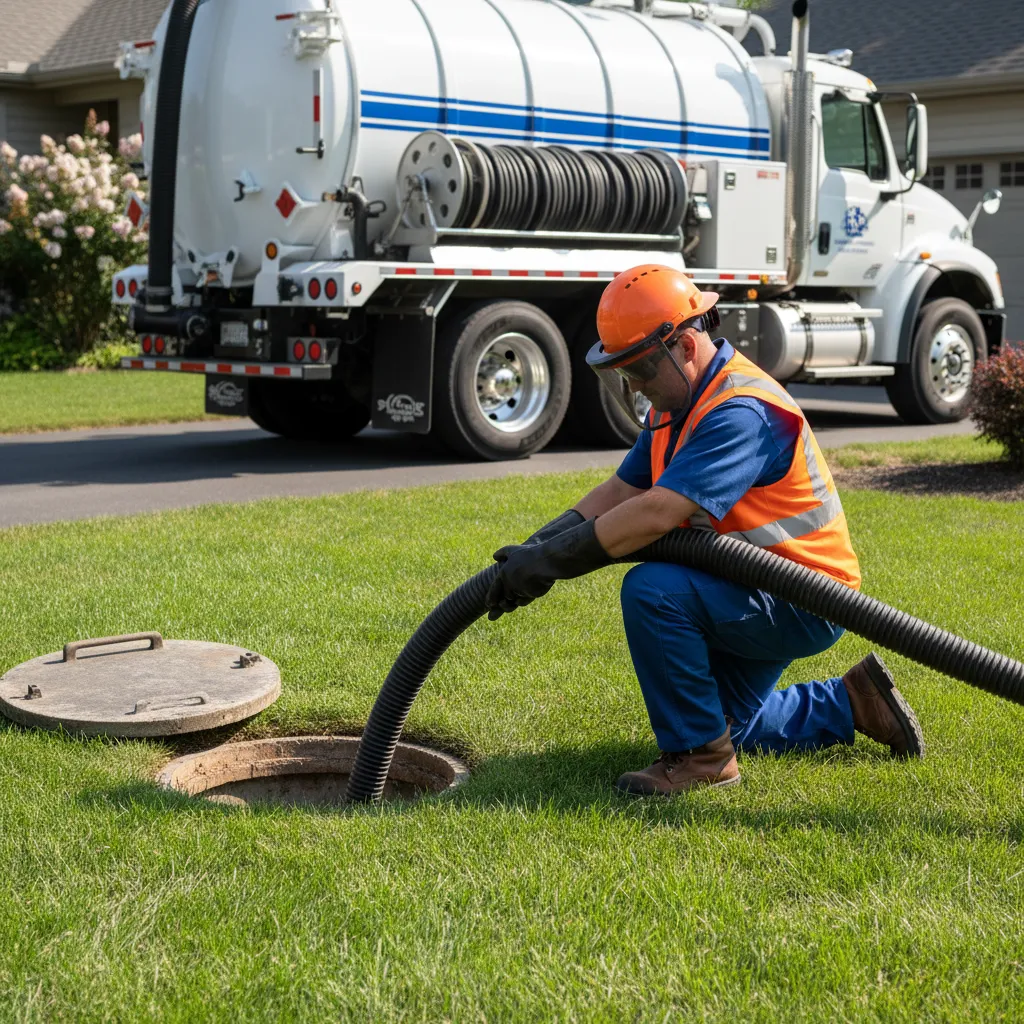
Signs You Need Emergency Septic Pumping
Emergency septic pumping is the correct response when your septic system shows acute failure. Recognizing these five warning signs can save you thousands in property damage and prevent a public health hazard.
Sewage Backing Up Into Your Home:
Raw sewage or blackwater surfacing through floor drains, toilets, sinks, or shower drains signals a critically full or blocked septic tank. A kitchen sink backup or slow kitchen drain is often the first warning sign. When the sludge layer and scum layer consume the tank’s working volume, effluent has nowhere to go. It reverses through the inlet pipe and floods your lowest fixtures. This backed up condition demands immediate emergency pumping – not a plunger.
Standing Water or Saturated Soil Over the Drain Field:
A waterlogged, foul smelling area above your leach field or absorption field means effluent is failing to percolate through the soil. The biomat may be clogged, the lateral lines may be crushed, or the distribution box may be obstructed. Emergency septic pumping relieves the hydraulic load so a technician can inspect and diagnose the subsurface failure.
Gurgling Drains and Slow Fixtures Throughout the House:
One slow drain is a plumbing issue. A single clogged drain may clear with basic drain cleaning. However, every drain in the house gurgling simultaneously points to a septic tank that can no longer accept wastewater. The tank is either full of solids and debris, the outlet baffle is blocked, or the effluent filter is saturated with sludge. Urgent pumping prevents a full backup.
Septic Alarm Sounding Continuously:
Your pump chamber alarm and float switch exist for one reason: to warn you when effluent levels exceed safe operating range. A continuous alarm means the submersible pump, grinder pump, or ejector pump has failed, or the dosing chamber is overwhelmed. Emergency septic pumping dewaters the chamber and buys time for pump repair or replacement.
Strong Sewage Odor Inside or Outside the Property:
Noxious, putrid gas escaping from risers, access ports, cleanouts, or the ground surface indicates anaerobic decomposition in an overfull or non functioning system. These odorous gases contain hazardous hydrogen sulfide. Emergency pumping removes the stagnant septage and restores airflow through the system.
Our Emergency Septic Pumping Process
Emergency septic pumping is a structured, step by step operation designed to resolve your crisis and prevent recurrence.

Phone Triage
You call our emergency line. A septic service technician gathers details – symptoms, property type, tank location if known, sewer line configuration, and system age. We advise you to stop all water use immediately, avoid running hot water, and avoid flushing.
Rapid Dispatch
We deploy the nearest available vacuum truck to your property. Our trucks carry full length hoses, a plumber’s snake, a hydro jetter, and inspection cameras.
Locate and Access the Tank
The technician locates your septic tank using property records, risers, or electronic locating equipment. We excavate to the lid or access port if risers aren’t installed.
Pump and Vacuum the Tank
We suction out all septage – sludge, scum, and liquid effluent – into the vacuum truck. A standard residential tank holds 1,000 to 1,500 gallons. We pump it completely.
Inspect Internal Components
With the tank empty, we inspect the baffle, tee fittings, inlet pipe, outlet pipe, and effluent filter. We check for cracks, corrosion, and structural collapse.
Diagnose the Cause
We identify what triggered the emergency – blockage, pump failure, drain field saturation, root intrusion, or tank deterioration – and document findings.
Recommend Repairs and Haul Septage
We provide a written diagnosis and repair estimate on site. Our truck transports all septage to a licensed disposal facility. You receive a pumping receipt for your records and health department compliance.
Brands We Use
Lakes Region Septic stocks and installs components from these top rated manufacturers:










Every product we install meets or exceeds local health department standards.
Other Services
Emergency septic pumping
Emergency septic service
24 hour septic pumping
Emergency septic tank cleaning
Emergency cesspool pumping
Emergency plumbing
Emergency septic tank pumping
Urgent septic pump out
After hours septic pumping
Same day septic pumping
Emergency holding tank pumping
Drain cleaning services
Septic overflow cleanup
Sewage backup pumping
Septic tank emergency repair
Clogged septic tank service
Drain field failure pumping
Sewer line backup service
FAQs About Emergency Septic Pumping
What qualifies as emergency septic pumping?
Emergency septic pumping is any unscheduled pump out required because your septic system has failed or is actively failing. Sewage backing up into your home, effluent pooling over your drain field, a continuously sounding septic alarm, and raw wastewater discharging onto the ground surface all qualify. If your system can’t wait for a scheduled appointment, it’s an emergency.
When should I call for emergency septic pumping instead of waiting?
Call immediately when you see sewage in your home, smell noxious odors near your tank or leach field, notice saturated ground above your absorption field, or hear your pump chamber alarm. Waiting even a few hours allows untreated blackwater to contaminate soil, groundwater, and living spaces. Fast pumping limits damage and reduces remediation costs.
Why does my septic tank keep overflowing?
Repeated overflows point to an undersized tank, a deteriorated drain field with a clogged biomat, a malfunctioning float switch or submersible pump, crushed lateral lines, or a blocked effluent filter. Emergency septic pumping resolves the immediate crisis, but a full inspection and diagnosis will uncover the underlying cause so you can repair it permanently.
How long does emergency septic pumping take?
Most residential emergency pump outs take 30 to 60 minutes once the technician accesses the tank. Locating and excavating a buried lid adds time. Commercial tanks, holding tanks, and cesspools with larger volumes may require 90 minutes or more. Our crew works efficiently without cutting corners on inspection.
Can emergency septic pumping damage my system?
No. Septic tank pumping requires a licensed vacuum truck, proper disposal permits, and training in confined space hazards and sewage handling. Your health department mandates that only permitted haulers collect and transport septage. Lakes Region Septic holds all required licenses and insurance.
Does Lakes Region Septic handle the septage disposal?
Yes. We haul all pumped septage in our vacuum truck to a licensed and permitted disposal facility. You receive documentation of proper disposal for your records and for any health department reporting requirements. We manage the full chain of custody from your tank to the treatment site.