
Grease Trap Services
Professional grease trap cleaning, pumping, and maintenance for restaurants and commercial kitchens across the Lakes Region.
Available 24/7 – Call Now for a Free Quote
Why Choose Lakes Region Septic?
Nationwide service coverage
Licensed and insured technicians
Same-day emergency service
Satisfaction guarantee on every job
5 Highlights on Grease Trap Services
Scheduled Pumping and Cleaning
Our grease trap services include routine pumping, scraping, and disposal of accumulated fats, oils, and grease (FOG) from commercial interceptors. We haul all waste to licensed disposal sites and provide documentation for your records.
Code Compliant Maintenance
Every grease trap service we perform meets local health department and municipal sewer authority regulations. Our technicians verify trap condition, measure sludge and scum layers, and confirm your system stays compliant with discharge limits.
24/7 Emergency Response
Grease traps overflow without warning. Lakes Region Septic dispatches vacuum trucks for emergency grease trap service around the clock, preventing sewage backups, foul odors, and costly health code violations at your business.
Full Interceptor Inspections
We camera inspect inlet and outlet lines, check baffles for corrosion, test flow rates, and assess the structural integrity of concrete, fiberglass, and steel grease interceptors during every service visit.
Detailed Service Records
Each grease trap service generates a timestamped maintenance log with FOG measurements, disposal manifests, and photographic documentation. These records satisfy inspector requests and protect your operating permits.
Our Grease Trap Services:
Why Choose Our Grease Trap Services
Grease trap services are a core specialty at Lakes Region Septic. We’ve pumped, cleaned, and maintained grease interceptors for restaurants, cafeterias, hotels, food processing facilities, and institutional kitchens throughout the region for years. Our crews know the difference between a 20 gallon under sink trap and a 2,000 gallon in ground interceptor, and they service both with the same precision.
We operate a fleet of dedicated vacuum trucks equipped with high capacity hoses and jetting systems built specifically for grease removal. Our technicians hold certifications in wastewater handling and FOG disposal. They understand BOD limits, TSS thresholds, and the specific discharge regulations your municipality enforces.
Lakes Region Septic provides written service contracts with flexible pumping schedules tailored to your kitchen’s output. High volume restaurants might need biweekly grease trap cleaning. A small café might need monthly service. We measure your accumulation rates and build a schedule that keeps you compliant without overspending.
Every grease trap service includes a full condition report. We document baffle integrity, inlet and outlet flow, wall corrosion, and lid seal condition. If your interceptor needs repair or replacement, we provide a detailed estimate on the spot.
We guarantee on time arrivals, complete FOG removal, and proper disposal at licensed treatment facilities. Our haulers carry all required manifests and permits. You get a clean grease trap and a paper trail that proves it.
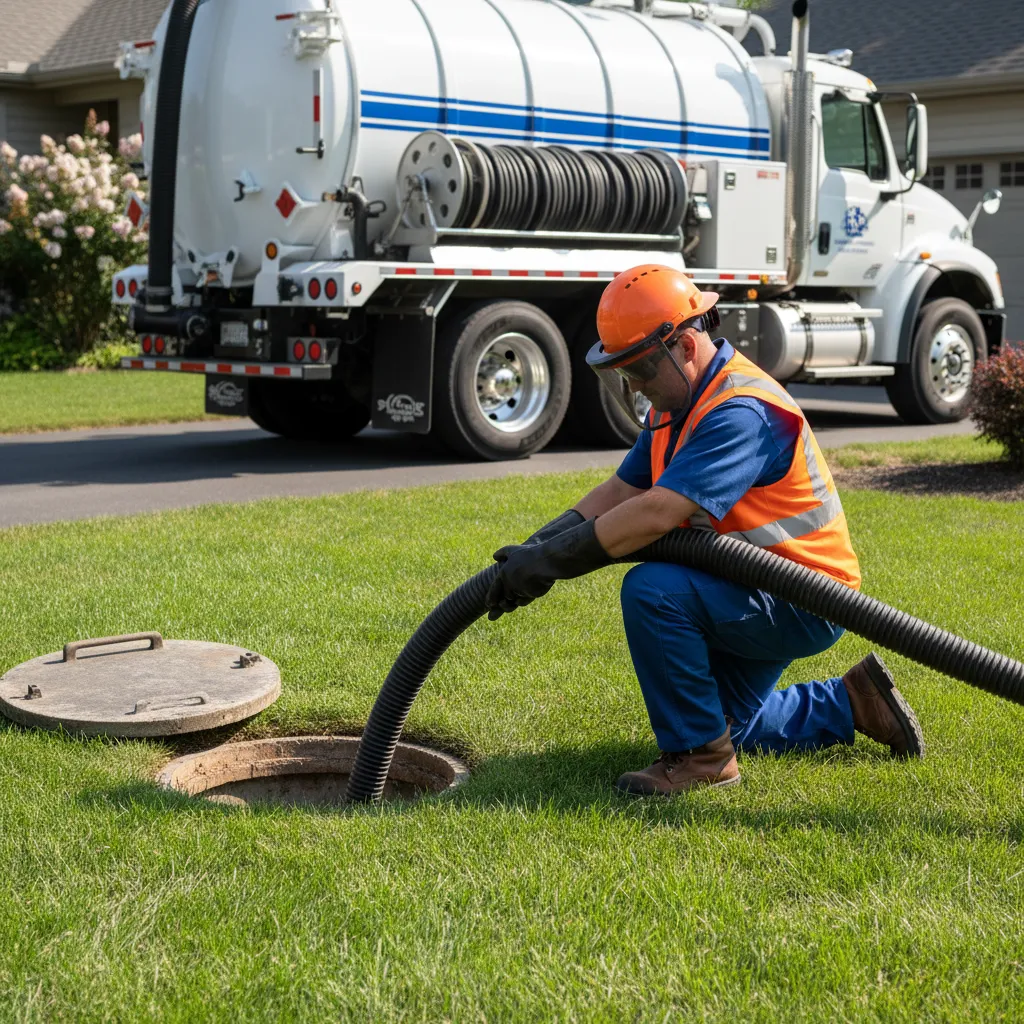
Signs You Need Grease Trap Services
Grease traps send clear signals when they need professional attention. Recognizing these signs early prevents expensive plumbing emergencies and health department shutdowns.
Slow Draining Sinks and Floor Drains:
When your three compartment sink takes minutes to empty or floor drains pool with standing water, accumulated FOG is restricting flow through the trap. Grease, solidified oils, and food solids build up on baffles and outlet pipes, narrowing the passage until wastewater can’t discharge at normal rates. A professional grease trap pumping clears the blockage completely.
Foul or Rancid Odors in the Kitchen:
Grease traps that haven’t been serviced on schedule produce unmistakable smells. Anaerobic bacteria inside the trap digest organic matter and release hydrogen sulfide and methane gas. These putrid, sulfurous odors seep through drain openings, floor drains, and cleanout ports. If your staff or customers notice the smell, the trap is overdue for cleaning.
Grease Visible in Cleanout or Access Port:
Open your grease trap lid or cleanout cover. If the scum layer sits within two inches of the outlet baffle or the sludge layer covers more than 25 percent of the trap’s liquid depth, the interceptor has reached capacity. Municipal codes in most jurisdictions require pumping before FOG accumulation hits this threshold.
Sewage Backup or Overflow Events:
A grease trap that overflows sends contaminated, grease laden wastewater across your kitchen floor or into the sanitary sewer system. This creates an immediate health hazard and triggers regulatory penalties. Overflow events mean the trap has been neglected well past its service interval.
Health Inspector Warnings or Violations:
If an inspector flags your grease trap during a routine visit, you need professional service immediately. Violations for non compliant grease interceptors carry fines and can escalate to temporary closure orders. Scheduled grease trap maintenance from Lakes Region Septic keeps your facility in good standing.
Our Grease Trap Services Process
Grease trap service at Lakes Region Septic follows a consistent, thorough process from arrival to final documentation.

Access and Assessment
Our technician locates and opens the grease trap access port or manhole cover. We measure the existing scum layer thickness and sludge depth using a calibrated measuring stick. This initial reading goes into your maintenance log.
Full Pump Out
We connect our vacuum truck hose to the trap and suction out all contents. Liquid, FOG, sludge, and settled solids are removed completely. We don’t leave residual grease behind.
Scraping and Cleaning
After pumping, our crew scrapes the interior walls, baffles, and lid. We flush the inlet and outlet pipes to clear any grease buildup inside the connecting lines. Stubborn blockages get hydro jetted on site.
Inspection
With the trap empty and clean, we inspect baffles for corrosion or damage, check the inlet tee and outlet fitting for cracks, and verify the lid and cover seal properly. We camera inspect connecting drain lines when warranted.
Reassembly and Documentation
We replace the lid, secure all access points, and complete a detailed service report. You receive a copy of the disposal manifest, FOG measurements, condition notes, and recommended next service date. This paperwork satisfies regulatory audits and keeps your pumping schedule on track.
Brands We Use
Lakes Region Septic uses trusted, professional grade equipment and products for every grease trap service.







All equipment is maintained, calibrated, and operated by trained technicians.
Other Services
Service Category 1
Grease trap services
Grease trap pumping
Grease trap maintenance
Grease trap cleaning near me
Commercial grease trap service
Service Category 2
Grease trap cleaning
Grease interceptor pumping
Grease interceptor service
Grease trap company near me
Grease interceptor maintenance
Service Category 3
FOG removal for restaurants
Commercial kitchen grease disposal
Scheduled grease trap cleaning
Restaurant grease trap pump out
Grease trap compliance inspection
FAQs About Grease Trap Services
What is a grease trap, and what does it do?
A grease trap is a plumbing device installed between kitchen drains and the sanitary sewer line. It separates fats, oils, and grease from wastewater by slowing flow and allowing FOG to float to the surface while solids settle to the bottom. The clarified effluent then discharges to the sewer. Without a functioning grease trap, FOG enters municipal sewer lines and causes blockages.
How often should a grease trap be pumped?
Most commercial grease traps need pumping every 30 to 90 days. High volume restaurants and institutional kitchens often require biweekly or monthly service. The standard rule is to pump when the combined scum and sludge layers fill 25 percent of the trap’s total liquid depth. Lakes Region Septic measures your accumulation rate and sets a pumping schedule matched to your kitchen’s actual output.
Why does my grease trap smell so bad?
Anaerobic decomposition of trapped organic matter produces hydrogen sulfide and other gases. A properly maintained grease trap on a regular pumping schedule produces minimal odor. Strong, rancid smells mean the trap is overdue for service or the lid seal has failed.
Can I clean my own grease trap?
Small under sink traps can be partially scraped by kitchen staff between professional services. In ground interceptors and large capacity traps require vacuum truck pumping and licensed FOG disposal. Self cleaning does not satisfy most municipal compliance requirements. Professional grease trap service provides the documentation inspectors need.
Does Lakes Region Septic handle grease trap installation?
Yes. We install new grease traps and grease interceptors for commercial kitchens, restaurants, and food service facilities. We size the unit based on your fixture count, flow rate, and local code requirements, then handle permitting, excavation, and connection to your existing plumbing.
How much does grease trap service cost?
Pricing depends on trap size, location, accessibility, and service frequency. A small indoor trap costs less to pump than a 1,500 gallon buried interceptor. Lakes Region Septic offers service contracts with predictable pricing and priority scheduling for regular customers.