
Grease Trap Pumping
Professional grease trap pumping from expert technicians that keeps your commercial kitchen systems running clean and code compliant
Available 24/7 – Call Now for a Free Quote
Why Choose Lakes Region Septic?
Nationwide service coverage
Licensed and insured technicians
Same-day emergency service
Satisfaction guarantee on every job
5 Highlights on Grease Trap Pumping
Full FOG Removal
Our pump trucks provide efficient extraction of all accumulated fats, oils, and grease from your grease trap or grease interceptor, leaving the unit completely clean and free of residual buildup that causes drain blockages. This thorough grease management approach protects your plumbing systems.
Scheduled Maintenance Plans
Lakes Region Septic offers routine maintenance and recurring grease trap pumping on weekly, biweekly, or monthly intervals tailored to your kitchen’s output volume and local regulations.
Compliant Disposal and Hauling
Every gallon of greasy wastewater we remove gets transported to a licensed disposal facility, and we provide manifests documenting proper septage handling from start to finish.
Interior and Exterior Units Serviced
We pump indoor grease traps installed beneath three compartment sinks and outdoor in ground grease interceptors handling high volume commercial wastewater flow.
24/7 Emergency Response
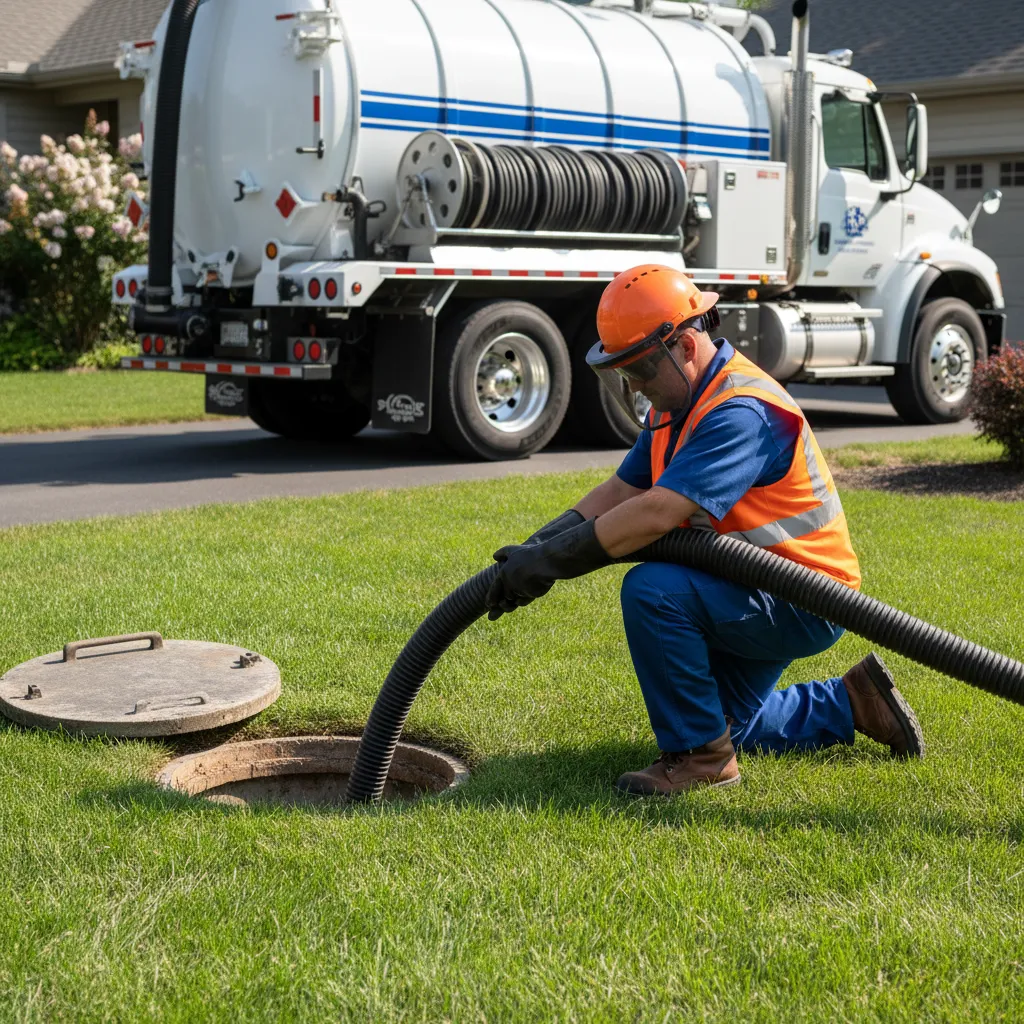
Overflowing grease traps don’t wait for business hours. Our emergency services include vacuum trucks and trained technicians who respond to emergency pumping calls across the Lakes Region around the clock to minimize downtime for your business.
Why Choose Our Grease Trap Pumping
Grease trap pumping is a service where experience and reliability directly affect your bottom line. A missed pumping means clogged drainpipes, foul odors in your dining area, and potential health code violations that can shut down your kitchen.
Lakes Region Septic has pumped grease traps for restaurants, hospitals, schools, cafeterias, and food processing facilities throughout the region for years. Our technicians know the difference between a 50 gallon under sink unit and a 2,000 gallon in ground interceptor. They know how to access risers, inspect baffles, and confirm that inlet and outlet pipes flow freely before they leave your property.
We operate a fleet of commercial vacuum trucks equipped to suction thick, rancid FOG that smaller operators can’t handle. Every truck carries onboard measurement tools so your technician can document scum layer and sludge layer depths at each visit. That documentation protects you during health department inspections.
Our pricing stays flat, transparent, and affordable. No hidden surcharges for after hours work. No surprise fees for heavy accumulation. We quote the job, pump the trap, and haul the waste. Lakes Region Septic also guarantees that if a grease trap we service on a maintenance plan clogs between scheduled visits, we’ll return at no additional charge. That’s a commitment to quality service backed by our reputation as a trusted, top rated septic service provider.
Signs You Need Grease Trap Pumping
Grease trap pumping is overdue when your kitchen starts sending you unmistakable signals. Recognizing these signs early prevents costly plumbing repairs, avoids the need for emergency plumbing services, and keeps your establishment sanitary.
Slow Draining Sinks and Floor Drains:
When fats, oils, and grease accumulate past the trap’s working capacity, wastewater can’t flow through the outlet pipe efficiently. You’ll notice water pooling in your three compartment sink or backing up through floor drains during peak kitchen hours. That saturated, blocked condition means the trap needs immediate pumping.
Persistent Malodorous Smells:
A properly maintained grease trap produces minimal odor. When putrid, rancid smells drift into your kitchen or dining room, decomposing organic solids and stagnant greywater have built up beyond acceptable levels. The anaerobic bacteria breaking down trapped FOG generate gases that escape through cleanouts and vent pipes when the unit is too full.
Grease Visible in the Cleanout or Inspection Port:
Pop the riser lid or inspection port cover. If the scum layer sits within two inches of the baffle or outlet fitting, you’ve exceeded the 25 percent rule that most municipal codes enforce. Pumping at this stage prevents FOG from escaping into your sewer line or lateral line.
Health Department Warnings or Failed Inspections:
Inspectors measure trap contents and check maintenance logs. A failed inspection means your grease interceptor hasn’t been serviced frequently enough. Lakes Region Septic can get you back into compliance with same day or next day grease trap pumping and provide the documentation your inspector requires.
Sewage Backups in the Kitchen:
This is the worst case scenario. When a grease trap overflows, contaminated wastewater containing FOG, food solids, and blackwater backs up through drainpipes into your prep areas. The health risk is immediate. The cleanup cost is significant. Regular pumping eliminates this risk entirely.
Our Grease Trap Pumping Process
Grease trap pumping is a systematic process our technicians follow the same way every time to ensure thorough cleaning and accurate record keeping.
Access and Initial Inspection
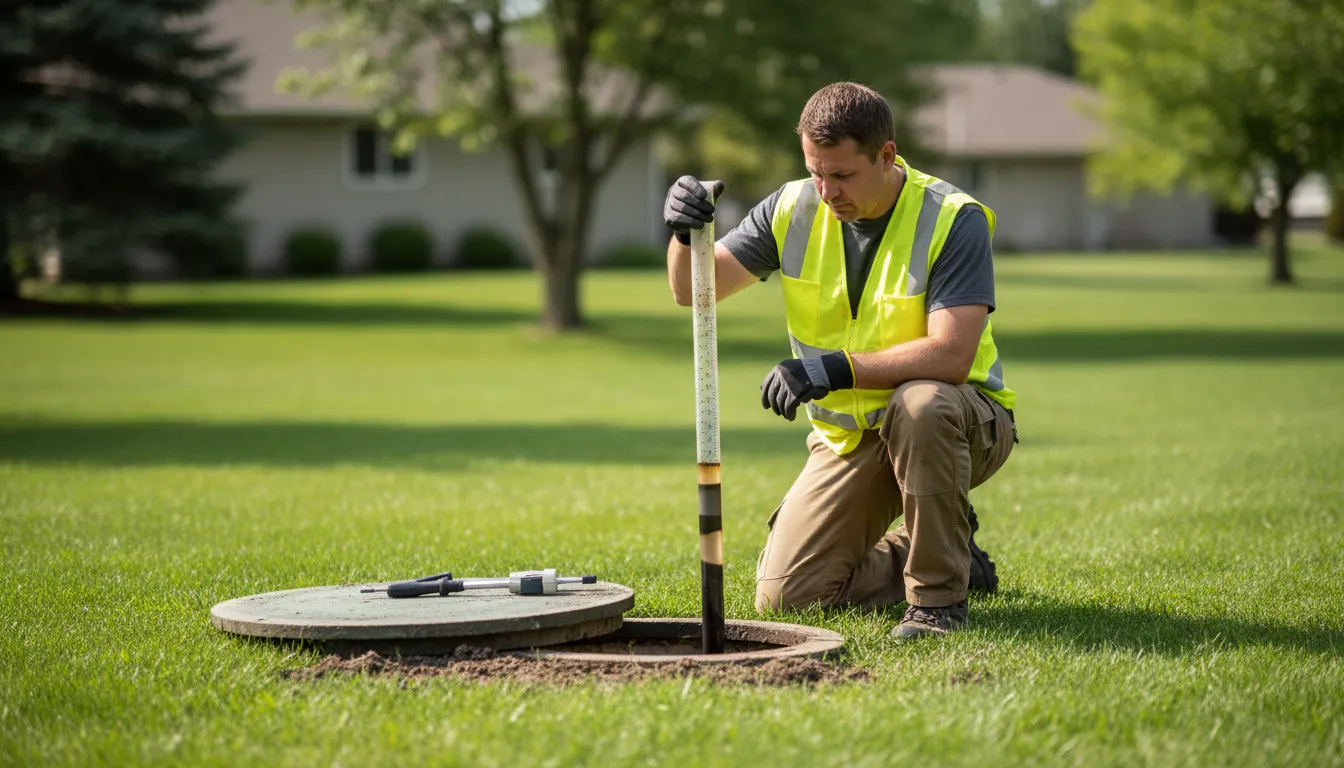
The technician locates your grease trap or interceptor, removes the riser lid or tank lid, and performs a visual inspection. They measure the existing scum layer and sludge layer depths using a calibrated probe and record the readings.
Full Pumpout
Using our vacuum truck, the technician suctions all contents from the trap. This includes the floating scum layer, the liquid effluent in the middle, and the settled sludge layer at the bottom. We remove everything. No partial pumping.
Scraping and Cleaning
After the initial vacuum extraction, the technician scrapes the interior walls, baffles, and lid undersides to dislodge caked on grease and sediment. They flush the inlet pipe and outlet pipe with clean water to confirm unobstructed flow.
Component Inspection
The technician checks baffles for corrosion or damage, inspects the effluent filter if one is installed, and verifies that the crossover between compartments functions correctly. Any issues get noted on your service report.
Documentation and Hauling
Your technician completes a detailed service report listing trap size, waste volume removed, component condition, and the next recommended pumping date. The collected FOG and wastewater get transported to an approved disposal facility, and you receive a disposal manifest for your records.
Brands We Use
Lakes Region Septic works with the best equipment and products in the grease trap pumping industry to deliver reliable, professional cleaning services and results at every service call.







Your safety and ours stays at the center of every service we perform.
Other Services
Grease trap pumping
Grease interceptor pumping
Commercial grease trap service
Grease trap pumping near me
Emergency grease trap pumping
Commercial drain cleaning
Grease trap cleaning service
Grease interceptor cleaning
Restaurant grease trap maintenance
Local grease trap pumping company
Same day grease trap service
Grease trap plumbing services
FOG removal commercial kitchen
Fats oils grease disposal
Kitchen drain grease buildup
Grease trap inspection and pumping
Grease trap overflow cleanup
Grease trap pumping
FAQs About Grease Trap Pumping
What is grease trap pumping?
Grease trap pumping is the process of removing accumulated fats, oils, grease, and food solids from a grease trap or grease interceptor using a vacuum truck. The technician suctions out the scum layer, liquid wastewater, and settled sludge, then cleans the interior components and hauls the waste to a licensed disposal facility.
When should I schedule grease trap pumping?
Most commercial kitchens need grease trap pumping every 30 to 90 days. High volume restaurants, hospitals, and cafeterias often require biweekly or monthly service. Your local health code may specify a maximum interval. The general rule is to pump before the combined scum and sludge layers reach 25 percent of the trap’s total liquid depth.
Why does my grease trap smell so bad between pumpings?
Anaerobic bacteria inside the trap decompose trapped organic matter and FOG, producing hydrogen sulfide and other malodorous gases. If the smell becomes noticeable in your kitchen, the trap is likely overdue for pumping or the vent pipe may be blocked.
How long does a grease trap pumping visit take?
A standard under sink grease trap takes 15 to 30 minutes. Larger in ground grease interceptors holding 500 to 2,000 gallons typically take 30 to 60 minutes, depending on access and accumulation levels.
Can I pump my own grease trap?
You can manually scoop a small under sink trap, but most municipal codes require a licensed hauler to transport and dispose of FOG waste. Lakes Region Septic handles the pumping, transport, and disposal documentation so you stay fully compliant.
Does grease trap pumping prevent drain clogs?
Yes. Regular pumping removes the FOG and solids that accumulate and eventually block your drainpipes, outlet pipe, and sewer line. Consistent service from a qualified pumper is the single most effective way to prevent greasy backups in your commercial kitchen.