
Grease Trap Repair
Professional, reliable grease trap repair that keeps your commercial kitchen running, your plumbing systems functioning, and your plumbing code compliant.
Available 24/7 – Call Now for a Free Quote
Why Choose Lakes Region Septic?
Nationwide service coverage
Licensed and insured technicians
Same-day emergency service
Satisfaction guarantee on every job
5 Highlights on Grease Trap Repair
Expert Diagnosis of Grease Interceptor Failures
Our technicians use camera inspection equipment to pinpoint cracked baffles, corroded compartments, blockages, and deteriorated gaskets inside your grease trap before recommending any repair work.
Full Structural Repair for Concrete, Fiberglass, and Polyethylene Tanks
We fix cracked lids, broken seals, leaks, failed inlet and outlet pipes, and compromised tee fittings on every major grease interceptor type installed in commercial kitchens across the Lakes Region.
Baffle and Effluent Filter Replacement
Damaged baffles let fats, oils, and grease pass directly into your sewer line, causing drainage problems. We replace worn baffle walls and clogged effluent filters to restore proper FOG separation.
Emergency Service for Overflowing and Backed Up Grease Traps
A grease trap overflow shuts your kitchen down. Our vacuum truck crews provide fast response to pump, clean, and repair the unit so you can reopen without health department violations.
Code Compliant Repairs with Documented Inspections
Every grease trap repair we complete includes a written inspection report, which satisfies local health department requirements and regulations while protecting your septic permit status.
Why Choose Our Grease Trap Repair
Grease trap repair is a specialized trade that demands hands on experience with commercial wastewater systems. Lakes Region Septic has repaired grease interceptors in restaurants, cafeterias, hotels, and food processing facilities for years. As your trusted service provider, we know the difference between a minor gasket swap and a full compartment rebuild, and we’ll tell you straight which one you need with tailored solutions for your specific situation.
Our technicians hold certifications in commercial septic system service and carry the right tools for every job. That means vacuum trucks for pumping out grease laden sludge, hydro jetting equipment for scouring inlet and outlet pipes, and camera inspection equipment for diagnosing problems you can’t see from the surface. We also offer drain cleaning, snaking, and jetting services to clear stubborn blockages. We don’t guess. We determine the exact problem and diagnose it properly.
We stand behind every grease trap repair with a written workmanship guarantee for long-term performance. If a seal fails or a baffle we installed doesn’t perform, we come back and make it right at no extra charge. That’s a reliable promise most septic contractors won’t make.
Pricing stays transparent from start to finish. You’ll receive a detailed estimate before we begin any work, broken down by parts, labor, and disposal fees. No surprise charges show up on your invoice. Lakes Region Septic is the trusted, top rated choice for professional grease trap repair and quality plumbing services because we treat your business the way we’d want ours treated, helping you avoid costly repairs down the road.
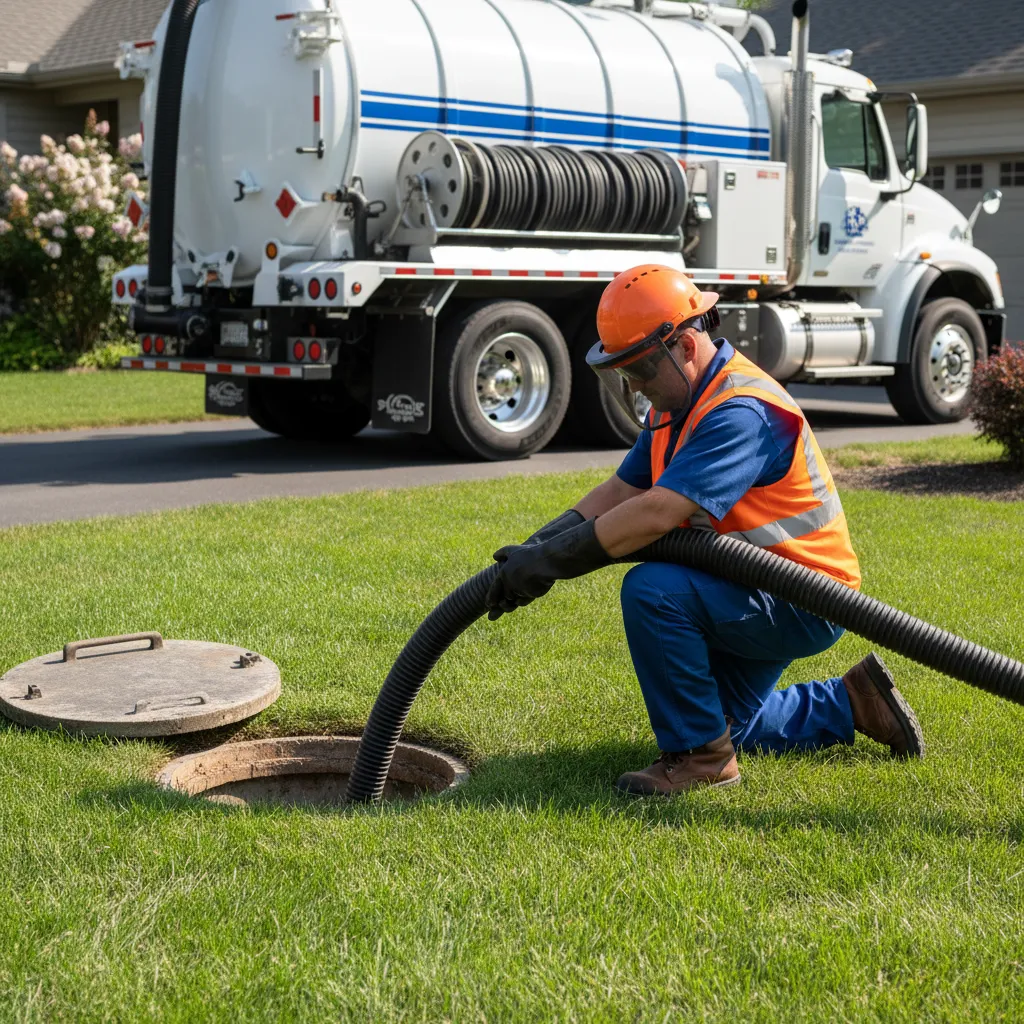
Signs You Need Grease Trap Repair
Grease trap repair becomes urgent when specific warning signs appear. Ignoring them leads to sewage backups, health code violations, and expensive emergency calls. Here are five detailed indicators that your grease interceptor has a plumbing problem and needs professional attention.
Slow Draining Sinks and Floor Drains:
Your commercial kitchen sinks take longer and longer to empty. Greywater pools around floor drains, indicating drainage issues. This points to a clogged or collapsed outlet pipe inside the grease trap, a failed baffle that’s allowing FOG buildup to block the flow path, or a saturated effluent filter that can’t pass wastewater through to the sewer line.
Foul and Rancid Odors Near the Trap:
A properly sealed grease interceptor shouldn’t produce noticeable smells. Odorous gases escaping from the unit mean cracked lids, deteriorated gaskets, or broken vent pipe connections. These gaps let anaerobic decomposition gases rise directly into your kitchen or dining area – a problem that requires experienced plumbers familiar with grease trap systems.
Grease Visible in the Cleanout or Overflow Line:
When you open a downstream cleanout and find solidified fats, oils, and grease inside the pipe, your trap’s separation function has failed. The baffles may be corroded through, or the scum layer has exceeded the trap’s capacity because an internal component broke.
Standing Water or Sewage Around the Trap Location:
Leaky tanks create wet spots, soggy soil, or visible wastewater pooling near the buried interceptor. Cracked concrete tanks and failed pipe connections at the inlet or outlet are the most common culprits. This contaminated groundwater situation demands immediate repair.
Health Department Notices or Failed Inspections:
Municipal inspectors flag grease traps that don’t meet flow rate standards, show structural damage, or lack functioning baffles. A failed inspection means your grease trap needs repair now, not next month. Lakes Region Septic can diagnose the cited deficiencies and complete the corrective work before your reinspection date.
Our Grease Trap Repair Process
Grease trap repair at Lakes Region Septic follows a structured, step by step process that gets your interceptor back in service quickly and correctly.
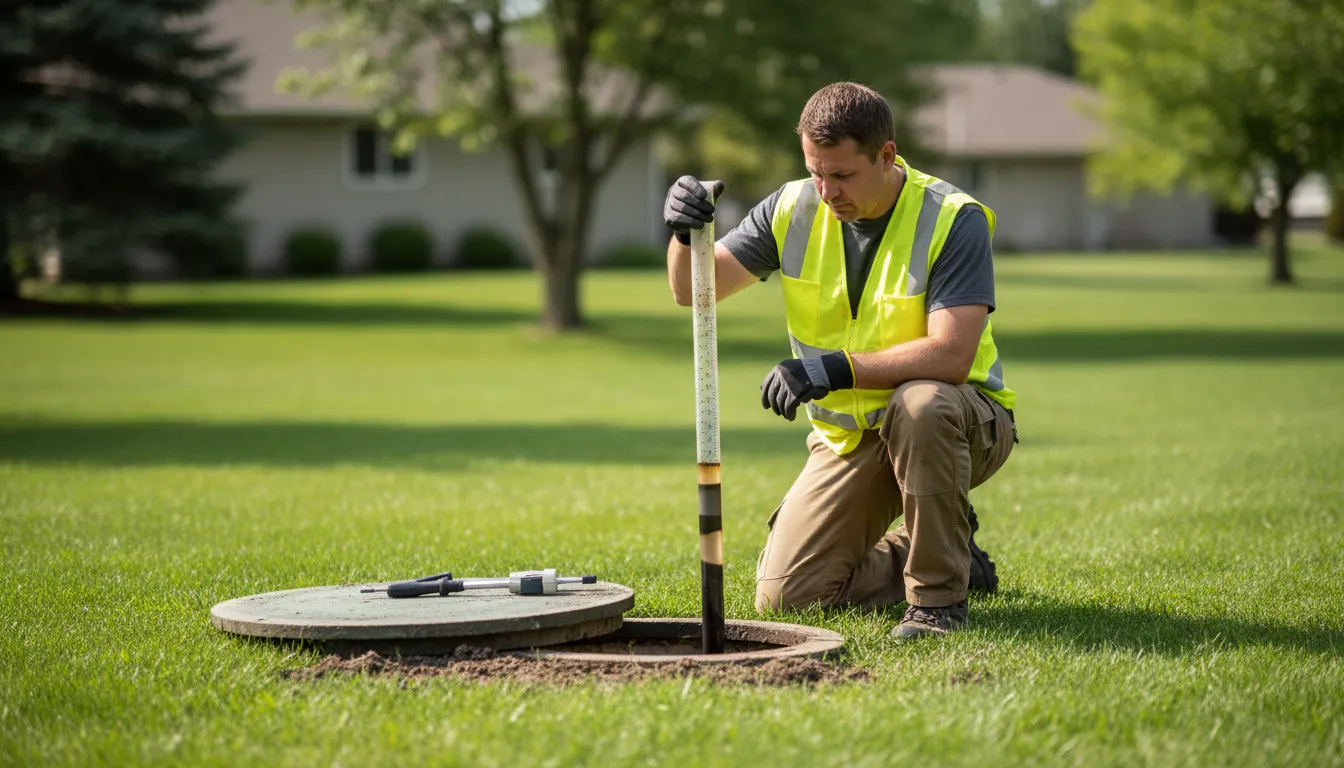
Pump and Clean the Unit
We arrive with a vacuum truck and pump out all accumulated grease, FOG, sludge, and wastewater from the grease trap. A clean, empty unit gives us full visual and physical access to every internal component. Our cleaning services include hauling the waste to an approved disposal facility.
Inspect and Diagnose
Our technician inspects the tank walls, baffles, inlet pipe, outlet pipe, tee fittings, effluent filter, gaskets, lid, and seal. We run a camera through connected lateral lines and the sewer line to check for downstream damage. You get a clear diagnosis with photos.
Present Repair Options
We explain exactly what failed and why. You’ll see a written estimate covering parts, labor, and any permit fees. We outline the repair scope so you can make an informed decision.
Complete the Repair
Our crew replaces cracked baffles, installs new gaskets and seals, relines corroded pipe connections, swaps failed effluent filters, and patches or replaces damaged tank sections. We use commercial grade materials rated for grease laden wastewater environments.
Test and Document
We fill the repaired grease trap, verify proper flow rate and FOG separation, and confirm every seal holds. You receive a detailed inspection report documenting the completed work for your records and health department compliance files.
Brands We Use
Grease trap repair quality depends on the replacement parts and materials installed in your unit. We use only reliable, industry-leading brands to ensure quality service.






We never install generic or substandard parts in any grease interceptor we service.
Other Services
Service Category 1
Grease trap repair
Commercial grease trap service
Grease trap baffle replacement
Grease trap leak repair
Emergency grease trap repair
Service Category 2
Grease interceptor repair
Restaurant grease trap repair
Grease interceptor baffle repair
Leaking grease interceptor fix
Urgent grease interceptor service
Service Category 3
Fix broken grease trap
FOG trap maintenance and repair
Replace corroded grease trap parts
Cracked grease trap tank repair
Grease trap overflow repair near me
FAQs About Grease Trap Repair
What is grease trap repair?
Grease trap repair is the process of diagnosing and fixing structural or mechanical failures in a commercial grease interceptor. This includes replacing cracked baffles, worn gaskets, broken seals, corroded inlet and outlet pipes, failed effluent filters, and damaged tank walls. The goal is restoring proper FOG separation so your unit meets health department standards.
When should I schedule grease trap repair?
Schedule service for a repair as soon as you notice slow draining sinks, foul odors near the trap, grease in downstream cleanouts, standing water around the buried unit, or a failed health department inspection. Regular maintenance can prevent these issues, but waiting once they appear makes the problem worse and can result in a full sewage backup into your kitchen.
Why does my grease trap keep clogging after cleaning?
Recurring clogs after a pump out usually mean a broken baffle, collapsed outlet pipe, or cracked tee fitting inside the trap. Cleaning removes the accumulated grease and FOG, but it doesn’t fix the damaged component causing the blockage. A professional repair addresses the root cause of your plumbing problem.
How long does a grease trap repair take?
Most grease trap repairs take between two and six hours, depending on the scope. A simple gasket or effluent filter replacement finishes in under two hours. Baffle rebuilds, pipe relining, or tank section repairs require more time. We’ll give you a time estimate before we start.
Can a grease trap be repaired instead of replaced?
Yes. Many grease interceptor problems are repairable without full replacement. Cracked baffles, failed seals, corroded fittings, leaks, and damaged pipes can all be fixed or swapped out. If the tank structure itself has failed beyond repair, we’ll recommend replacement and explain why.
Does Lakes Region Septic handle the health department paperwork?
We provide a complete inspection and repair report documenting every component we serviced. This report satisfies health department compliance requirements and supports your septic permit renewal. You’ll have the documentation ready for any reinspection.