
Leach Field Rejuvenation
Restore your failing drain field without costly excavation or full system replacement
Available 24/7 – Call Now for a Free Quote
Why Choose Lakes Region Septic?
Nationwide service coverage
Licensed and insured technicians
Same-day emergency service
Satisfaction guarantee on every job
5 Highlights on Leach Field Rejuvenation
Biomat removal and soil restoration
Our leach field rejuvenation process breaks down the biomat encrusted layer that clogs perforated pipes and gravel trenches with organic waste and debris. We restore percolation rates to original or near original capacity using controlled aeration and bacterial inoculation techniques that dissolve years of accumulated organic buildup.
Terralift fracturing for compacted soils
We fracture compacted soil profiles beneath your absorption field using pneumatic injection. This process opens new channels in hardpan and clay layers, allowing effluent to disperse and infiltrate properly through the vadose zone once again.
Camera inspection and diagnostic testing
Our technicians run camera inspections using specialized equipment through every lateral line and distribution box to diagnose the exact failure points. We perform dye tests and hydraulic load assessments before recommending any rejuvenation work.
No excavation required in most cases
Leach field rejuvenation saves your yard, your landscaping, and your budget. This cost-effective solution lets us rejuvenate failing drain fields in place without digging up gravel trenches or replacing perforated pipe runs.
Extended system lifespan
A professionally rejuvenated leach field can add 10 to 15 years of functional life to your septic system. Septic systems connected to your plumbing system benefit greatly when we treat the root cause of failure rather than masking symptoms with temporary fixes.
Why Choose Our Leach Field Rejuvenation
Leach field rejuvenation is a specialized service that demands precise diagnostic skill and the right equipment. Lakes Region Septic has performed hundreds of successful drain field restorations across the region, treating problems that originate anywhere from the sewer line to the absorption area. We bring that field tested experience to every job.
Our technicians hold certifications in advanced septic system diagnostics. They understand soil absorption science, hydraulic conductivity ratings, and the biological processes that cause biomat formation in the first place. That knowledge separates a true rejuvenation from a temporary band aid.
We use professional grade jetting equipment, Terralift machines, and commercial bioaugmentation products that aren’t available at hardware stores. Every rejuvenation job starts with a full camera inspection and ends with a documented percolation assessment so you can see measurable results.
Lakes Region Septic guarantees our rejuvenation work. If your leach field doesn’t show improved drainage within the agreed timeframe, we come back at no additional charge. We also provide a written maintenance plan to keep your rejuvenated absorption field performing for years.
We’re licensed, insured, and approved by the local health department. Our pumper trucks and vacuum trucks meet all septage handling regulations. You get a qualified, expert team that treats your property with respect and your septic system with the precision it requires.
Signs You Need Leach Field Rejuvenation
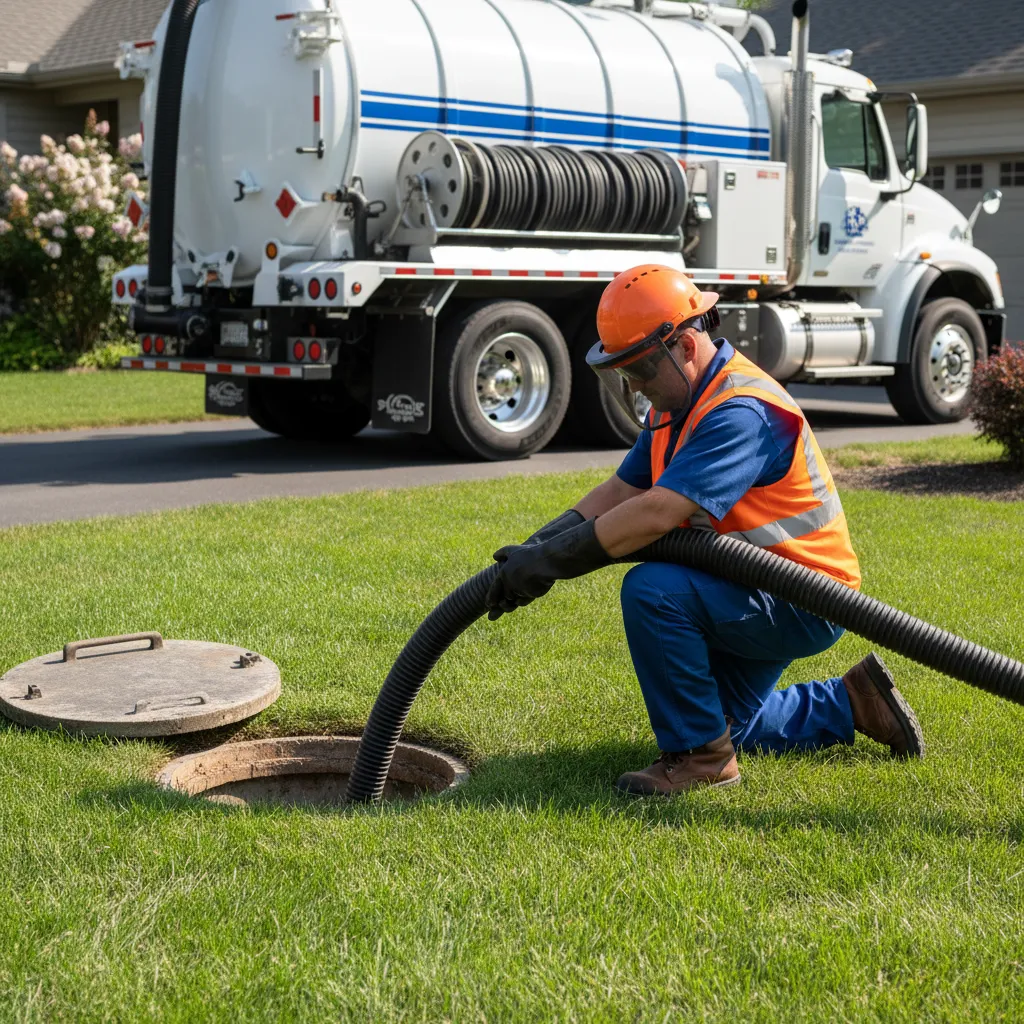
Leach field rejuvenation is the right solution when your drain field shows specific symptoms of soil failure or biomat clogging. Here are five warning signs that indicate your absorption field needs professional attention.
Ponded water over the drain field:
Standing water or waterlogged soil directly above your leach lines means effluent and waste isn’t percolating into the ground. The soil has become saturated, and the gravel trenches can no longer absorb the hydraulic load your household produces. This ponded condition often signals a thick biomat layer blocking the soil interface beneath your perforated pipes.
Foul smelling odors in the yard:
A failing leach field releases sludge laden, untreated wastewater gases through the soil surface. If you detect unpleasant odors or smell sewage near your distribution box or along your lateral lines, the system isn’t filtering and dispersing effluent the way it should. That stagnant, anaerobic condition accelerates biomat growth and makes the problem worse each week.
Slow drains throughout the house:
When every fixture in your home drains slowly at the same time, including sinks, tubs, and toilets, the problem usually isn’t a single pipe clog. Your leach field may have reached capacity because the soil can no longer accept effluent at the required loading rate. Backups into the dosing chamber or pump chamber confirm this diagnosis.
Bright green grass strips over leach lines:
Nutrient laden effluent surfacing near the soil level feeds grass roots directly with excess nutrients. Those vivid green stripes following the path of your lateral lines are a visual map of a failing absorption field.
Septic alarm activating frequently:
If your alarm system and float switch trigger repeatedly, your pump chamber or dosing chamber is filling faster than the leach field can accept flow. This emergency situation indicates the field has lost its hydraulic conductivity, and rejuvenation can restore it.
Our Leach Field Rejuvenation Process
Leach field rejuvenation is a multi step procedure that addresses both the biological and mechanical causes of drain field failure. Here’s how Lakes Region Septic performs every rejuvenation job.
Full system inspection
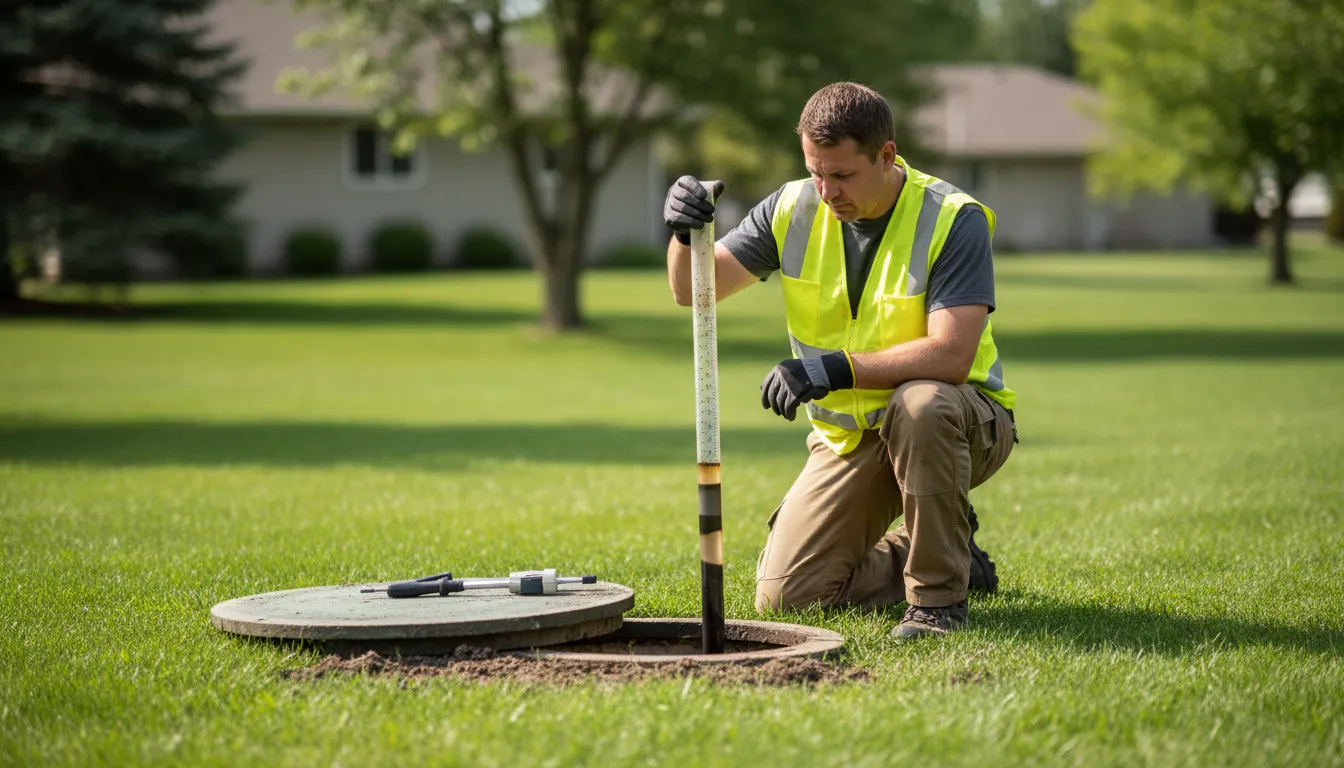
We pump the septic tank and inspect the baffle, effluent filter, outlet tee, and clarified zone. We check the distribution box for uneven flow and run a camera inspection through each lateral line to locate clogs, root intrusion, and biomat buildup.
Hydrojetting the leach lines
Our crew hydrojets every perforated pipe in the system using high pressure water to scour away biofilm coated deposits, grease, organic matter, and accumulated solids. This backflush process clears the pipe perforations so effluent can disperse evenly again.
Terralift soil fracturing
We insert the Terralift probe at intervals along each trench and inject compressed air into the compacted soil. This fracturing action breaks up hardpan, opens new drainage pathways, and restores permeability to the absorption area.
Bacterial inoculation:
We introduce commercial grade aerobic bacteria and biodegradable enzyme treatments directly into the leach field. These bioaugmentation products aggressively digest the biomat and accelerate the biodegradation of organic material clogging the soil pores.
Performance verification and maintenance plan
We monitor drainage rates, document results, and provide you with a written maintenance schedule that includes recommended pumpout intervals, bacteria additive applications, and annual inspection checkpoints.
Brands We Use
These are the brands our technicians rely on for consistent, proven results.




Every product we use meets or exceeds industry standards for septic system service.
Other Services
Service Category 1
Leach field rejuvenation
Leach field restoration
Rejuvenate leach field
Septic leach field repair
Leach field rejuvenation service
Service Category 2
Drain field rejuvenation
Absorption field restoration
Rejuvenate drain field
Septic drain field repair
Professional drain field restoration
Service Category 3
Restore failing leach field
Biomat removal septic
Terralift septic repair
Soil fracturing septic system
Clogged leach field solution
FAQs About Leach Field Rejuvenation
What is leach field rejuvenation?
Leach field rejuvenation is a professional repair process that restores a failing or clogged absorption field to working condition. Technicians use hydrojetting, soil fracturing, and bacterial inoculation to break down biomat, open compacted soil, and re-establish proper effluent percolation without excavating the entire drain field.
When should I consider leach field rejuvenation?
You should consider rejuvenation when you notice ponded water over your drain field, foul smelling odors near your leach lines, slow drains throughout the house, or frequent septic alarm activations. These symptoms indicate your soil absorption capacity has declined and the system can no longer handle its hydraulic load.
Why does a leach field fail in the first place?
Leach fields fail when a biomat encrusted layer builds up at the soil and gravel interface, blocking effluent from infiltrating the ground. Compacted soil, root intrusion, excessive water usage, overuse of chemical drain cleaners, and infrequent septic tank pumpouts all accelerate this process. Sludge laden effluent reaching the drain field speeds up clogging dramatically.
How long does the rejuvenation process take?
Most residential leach field rejuvenation jobs take one to two days. The timeline depends on the number of lateral lines, the severity of the biomat buildup, and the soil conditions. Lakes Region Septic completes a full diagnostic inspection before giving you an accurate time estimate.
Can every failing leach field be rejuvenated?
Not every field qualifies. If the perforated pipes have collapsed, the distribution box has failed structurally, or the soil profile simply cannot support absorption, a full replacement may be the only option. Our camera inspection and diagnostic testing determine whether rejuvenation will work before we proceed.
Does leach field rejuvenation really extend system life?
Yes. A properly rejuvenated drain field can function effectively for another 10 to 15 years when paired with regular septic tank pumpouts, effluent filter maintenance, and responsible water usage. Lakes Region Septic provides a detailed maintenance plan with every rejuvenation service to protect your investment.