Emergency Sewage Cleanup
Professional emergency sewage cleanup and restoration services when raw sewage threatens your property, your health, and your groundwater – top-rated damage cleanup you can trust
Available 24/7 – Call Now for a Free Quote
Why Choose Lakes Region Septic?
Nationwide service coverage
Licensed and insured technicians
Same-day emergency service
Satisfaction guarantee on every job
5 Highlights on Emergency Sewage Cleanup
Rapid Response Sewage Extraction
Our vacuum trucks and pump trucks arrive on site within hours to suction raw sewage, blackwater, and contaminated solids from basements, crawl spaces, and saturated drain fields with maximum efficiency before pathogenic bacteria spread further into your soil and groundwater.
Biohazard Containment and Decontamination
Every emergency sewage cleanup crew deploys containment barriers, personal protective equipment, and hazmat protocols to isolate coliform, E. coli, and other pathogens while we extract, neutralize, and dispose of biohazardous waste at licensed treatment facilities, eliminating hazards from your property.
Full Septic System Diagnosis
We inspect your septic tank, distribution box, baffles, and lateral lines with camera inspection equipment to diagnose the root cause of the sewage backup, whether it’s a ruptured sewer line, a clogged effluent filter requiring drain cleaning, or a failed leach field.
Odor Remediation and Sanitization
After we extract the sewage, our technicians deodorize, disinfect, and thoroughly clean every affected surface using industrial-grade chlorination and antimicrobial treatments that eliminate malodorous, bacterial, and microbial contamination.
Groundwater and Soil Protection
Our remediation crew tests soil percolation rates and monitors the water table to confirm that no untreated effluent, leachate, or toxic runoff has migrated into absorption beds, soakaways, or nearby well water sources that feed your water supply.
Why Choose Our Septic Tank Pumping
Emergency sewage cleanup is a biohazardous operation that demands licensed technicians, specialized equipment for dewatering, and strict disposal protocols. Lakes Region Septic has performed sewage remediation across residential, commercial, and municipal properties throughout the Lakes Region for over two decades.
Our crews hold hazmat certifications. They carry the right containment barriers, vacuum trucks, and high-pressure hydro jetters to handle any scale of sewage overflow, from a single backed up basement to a catastrophic septic tank failure flooding an entire drain field. We don’t subcontract this work. Every technician on your property is a Lakes Region Septic employee trained in biohazard waste handling, pathogen containment, and environmental compliance.
We coordinate directly with your local health department and environmental agency when the scope of contamination requires reporting. That means you get a single point of contact managing extraction, decontamination, mitigation, disposal documentation, and system repair from start to finish.
Our emergency sewage cleanup service includes a written scope of work before we begin, transparent pricing with no after hours surcharges, and a satisfaction guarantee on all sanitization and deodorization. Call to schedule service and receive a free estimate. We also provide a post cleanup camera inspection of your sewer lines and septic components at no additional charge so you understand exactly what failed and what long-lasting repairs will prevent a recurrence.
Signs You Need Emergency Sewage Cleanup
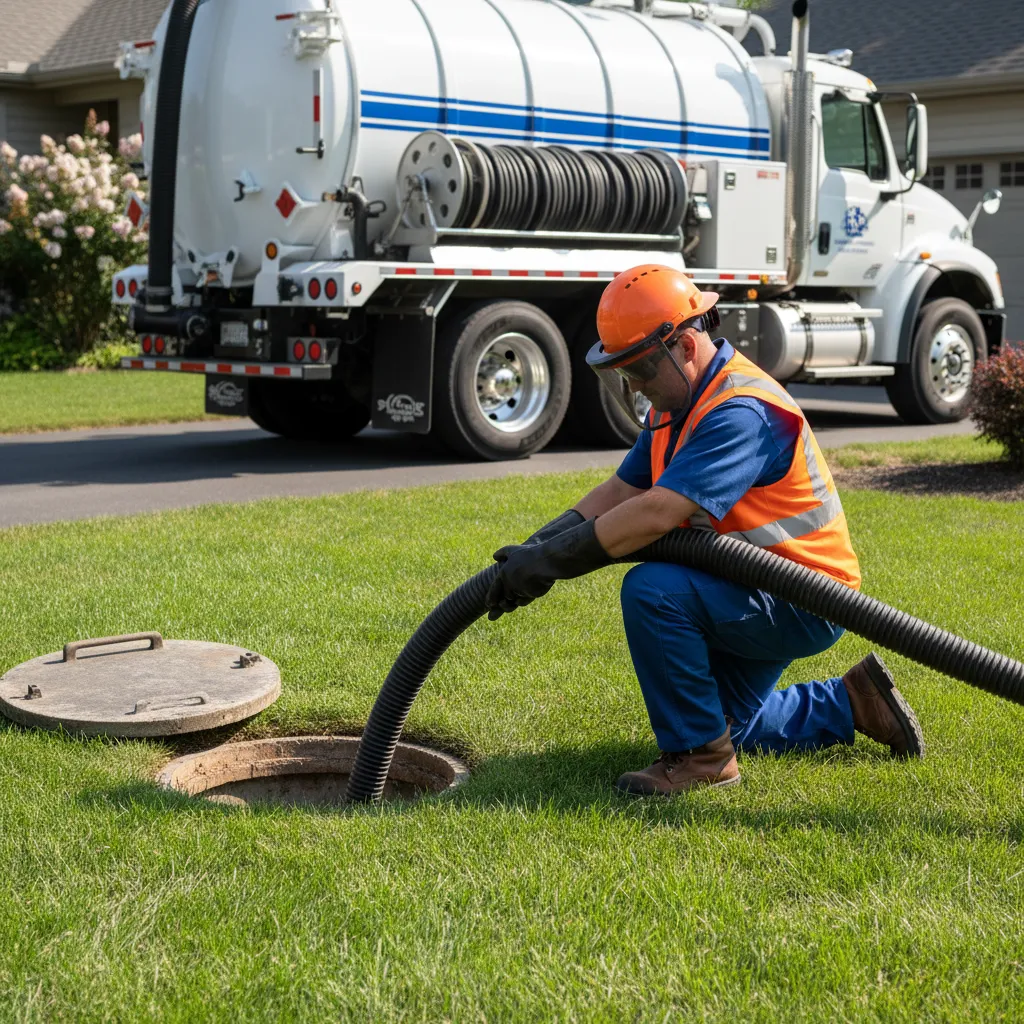
Emergency sewage cleanup becomes necessary the moment raw or partially treated wastewater escapes your septic system or sewer line and contacts living spaces, soil, or surface water. Here are five situations that demand immediate professional remediation.
Raw Sewage Backing Up Into Your Home
Blackwater pooling in floor drains, toilets, or bathtubs signals a severe blockage in your sewer line, a failed ejector pump, or a septic tank that has exceeded capacity. This standing sewage contains E. coli, coliform, and other pathogenic organisms. You cannot mop this up safely. A remediation crew with extraction equipment and biohazard protocols needs to contain and remove it to address your plumbing needs.
Foul Odor With Visible Saturated Ground Over Your Drain Field
When your leach field becomes waterlogged and effluent surfaces above the absorption trenches, you’re looking at untreated sewage leaching into topsoil. The putrid, rancid smell is unmistakable. That saturated ground is contaminated with septage, and the excess moisture encourages mold growth while it’s migrating toward your groundwater.
Sewage Overflow After Heavy Rainfall
A compromised distribution box, corroded inlet pipe, or collapsed lateral line can allow stormwater to infiltrate your septic system and force raw sewage out through risers, cleanouts, and overflow pipes under increased water pressure. This hazardous mixture of stormwater and untreated wastewater requires immediate extraction and disposal.
Basement Flooding With Sewage From a Ruptured Sewer Pipe
Cast iron pipes corrode. PVC pipes crack under shifting soil. When a subterranean sewer pipe ruptures beneath your foundation like a burst pipe or major water leak, sewage floods your basement fast. The contaminated water soaks into concrete, drywall, and framing. Every hour you wait increases the scope of decontamination and structural damage.
Grease Trap or Lift Station Failure at a Commercial Property
A failed grease trap or malfunctioning lift station at a restaurant, hotel, or commercial facility can release industrial strength sewage containing fats, oils, corrosive degreasers, and concentrated bacterial loads. This requires specialized containment, extraction, and disposal that goes beyond standard plumbing services.
Our Emergency Sewage Cleanup Process
Emergency sewage cleanup follows a structured sequence designed to protect occupants, contain biohazardous material, and restore your property to a safe, sanitary condition.
Emergency Dispatch and Site Assessment
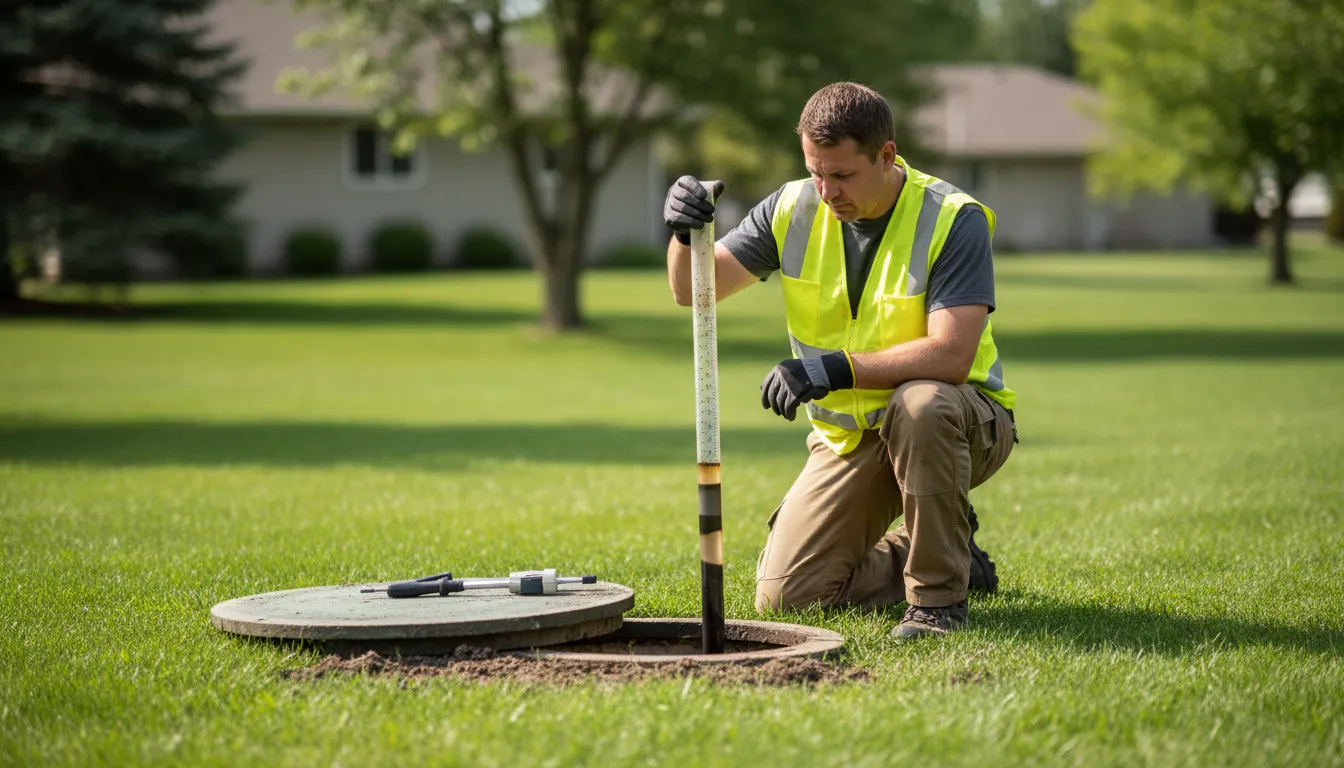
You call, and we respond. Our technician arrives, evaluates the scope of the sewage overflow, identifies the contamination zone, and establishes containment barriers to prevent further spread of biohazardous waste into unaffected areas of your property.
Sewage Extraction and Removal
Our crew deploys vacuum trucks, sump pumps, and dewatering equipment to suction all standing sewage, sludge, and contaminated solids. We extract blackwater from basements, crawl spaces, drain field trenches, and any other affected areas down to the substrate for thorough damage cleanup.
Decontamination and Sanitization
Every surface that contacted raw sewage gets treated. We disinfect with industrial-grade antimicrobial agents, chlorinate where appropriate, and neutralize bacterial and microbial contamination. We remove and bag all unsalvageable materials as biohazard waste.
Deodorization and Air Treatment
Malodorous compounds from putrid sewage penetrate porous materials. Our technicians deodorize affected spaces using industrial air scrubbers and targeted odor neutralizers that eliminate the source rather than mask it. We also perform drying and dehumidification to thoroughly dry all affected surfaces.
System Inspection and Cause Diagnosis
We run camera inspection equipment through your sewer lines, check your septic tank baffles and effluent filter, inspect the distribution box, and examine your drain field. We diagnose exactly what caused the failure, whether it’s root intrusion, a corroded pipe, a collapsed lateral line, or a failed pump, and recommend maintenance to prevent future issues.
Disposal and Documentation
All extracted septage and biohazard waste goes to a licensed disposal facility or wastewater treatment plant. We provide full documentation for your insurance claim and any required health department reporting to complete your restoration services.
Brands We Use
Lakes Region Septic uses trusted brands across every phase of the remediation process.





Your safety and theirs is built into every step of the process.
Other Services
Service Category 1
Emergency sewage cleanup
Septic tank overflow cleanup
Sewage backup cleanup
Emergency septic service
Sewage contamination cleanup
Service Category 2
Emergency sewage removal service
Septic system overflow remediation
Sewer backup cleaning service
24 hour septic emergency repair
Sewage spill decontamination
Service Category 3
Biohazard sewage remediation, raw sewage extraction
Backed up septic tank, sewage backup repair
Basement sewage flooding, blackwater removal
Septic failure response, septic pump out emergency
Sewage sanitization, pathogen removal, sewage odor remediation
FAQs About Emergency Sewage Cleanup
What does emergency sewage cleanup involve?
Emergency sewage cleanup is the rapid extraction, containment, decontamination, and disposal of raw or partially treated sewage that has escaped from a septic tank, sewer line, lift station, or other wastewater system. The process includes suctioning all standing blackwater and sludge with vacuum trucks, disinfecting and sanitizing every contaminated surface to eliminate hazards, deodorizing affected spaces, and diagnosing the system failure that caused the overflow. All biohazardous waste gets transported to a licensed disposal facility.
When should I call for emergency sewage cleanup?
Call immediately when you see or smell raw sewage inside your home, in your basement, or pooling above your drain field. Sewage contains E. coli, coliform, and other dangerous pathogens that pose serious health risks within hours. Standing blackwater also causes rapid structural damage to flooring, drywall, and framing, and promotes mold growth. The faster a remediation crew arrives to extract and contain the contamination, the smaller the affected zone and the lower the total cost of restoration.
How long does emergency sewage cleanup take?
Most residential emergency sewage cleanups take between six and twelve hours for extraction and initial decontamination. Larger commercial jobs or situations involving saturated drain fields, ruptured underground sewer mains, or extensive basement flooding can require multiple days for full restoration services. The timeline depends on the volume of sewage, the number of affected areas, and whether structural materials need removal.
Can my homeowner's insurance cover emergency sewage cleanup?
Many homeowner’s insurance policies cover sewage backup damage, especially if you carry a sewer backup rider or endorsement. Lakes Region Septic provides detailed documentation of the contamination scope, extraction work, disposal manifests, and system diagnosis to support your insurance claim. Contact us for a free estimate and we recommend contacting your carrier as soon as the backup occurs.
Does emergency sewage cleanup include repairing the septic system?
Our emergency sewage cleanup service includes a full camera inspection and diagnosis of your septic tank, sewer lines, distribution box, and drain field to identify the cause of the failure. Repair work such as relining a cracked lateral line, replacing a failed ejector pump, drain cleaning, or excavating and backfilling a collapsed sewer pipe is quoted separately once we’ve completed the cleanup and know the full scope of damage.
How dangerous is raw sewage exposure?
Raw sewage is classified as biohazardous material. It contains bacterial, microbial, and pathogenic organisms including E. coli, hepatitis, and giardia. Direct contact or inhalation of fumes from stagnant, untreated sewage can cause gastrointestinal illness, respiratory infection, and skin reactions. Never attempt to clean up a sewage overflow yourself without proper personal protective equipment and containment protocols. A qualified hazmat trained remediation crew with specialized equipment is the safe approach.