Septic Inspections
Professional Septic Inspections That Protect Your Property and Your Investment
Available 24/7 – Call Now for a Free Quote
Why Choose Lakes Region Septic?
Nationwide service coverage
Licensed and insured technicians
Same-day emergency service
Satisfaction guarantee on every job
5 Highlights on Septic Inspections
Thorough Tank Evaluation
Our certified inspectors assess every component of your septic tank, from the inlet baffle and outlet tee to the scum layer and sludge layer, giving you a complete picture of system health.
Drain Field and Leach Field Analysis
We probe and evaluate your absorption trenches, distribution box, and lateral lines to confirm proper effluent percolation and identify saturated or failing soil conditions.
Title V and Real Estate Transfer Inspections
Lakes Region Septic performs compliant Title V inspections required for property sales across the Lakes Region, delivering certified reports that satisfy health department regulations.
Advanced Camera Inspection Technology
We camera your sewer lines, cleanouts, and underground piping to locate cracks, root intrusion, corroded fittings, and blockages without excavation.
Detailed Reporting with Actionable Findings
Every septic inspection includes a written report documenting tank condition, liquid levels, baffle integrity, effluent filter status, and drain field performance with clear recommendations.
Our Septic Inspections Services:
Why Choose Our Septic Inspections
Septic inspections are a specialized discipline. Not every pumper or technician has the training to diagnose what’s actually happening beneath your yard. Lakes Region Septic is a full-service provider that employs skilled, licensed, and certified inspectors who’ve evaluated thousands of residential and commercial property systems throughout the region.
We don’t cut corners. Our inspection process covers the full system – septic tank, pump chamber, distribution box, leach field, pipes, and all connecting lines that link your plumbing system to the tank. We open every accessible riser and access port. We measure scum and sludge depths to determine if tank pumping is needed. We run water to observe flow rates and check for backflow or slow drainage that signals trouble downstream.
Our team holds current certifications required by local and state health departments. We understand the codes, setback requirements, and regulations that govern septic system compliance. When you need a real estate transfer inspection, a routine maintenance checkup, or a tank maintenance assessment for peace of mind, we deliver reports that are accurate, thorough, and accepted by all relevant authorities.
Lakes Region Septic stands behind every inspection with a commitment to honest findings and customer satisfaction. We won’t manufacture problems that don’t exist, and we won’t overlook conditions that need attention. That professional, straightforward approach combined with responsive customer service is why homeowners, realtors, and property managers trust us as their top rated septic inspection provider.
Signs You Need Septic Inspections
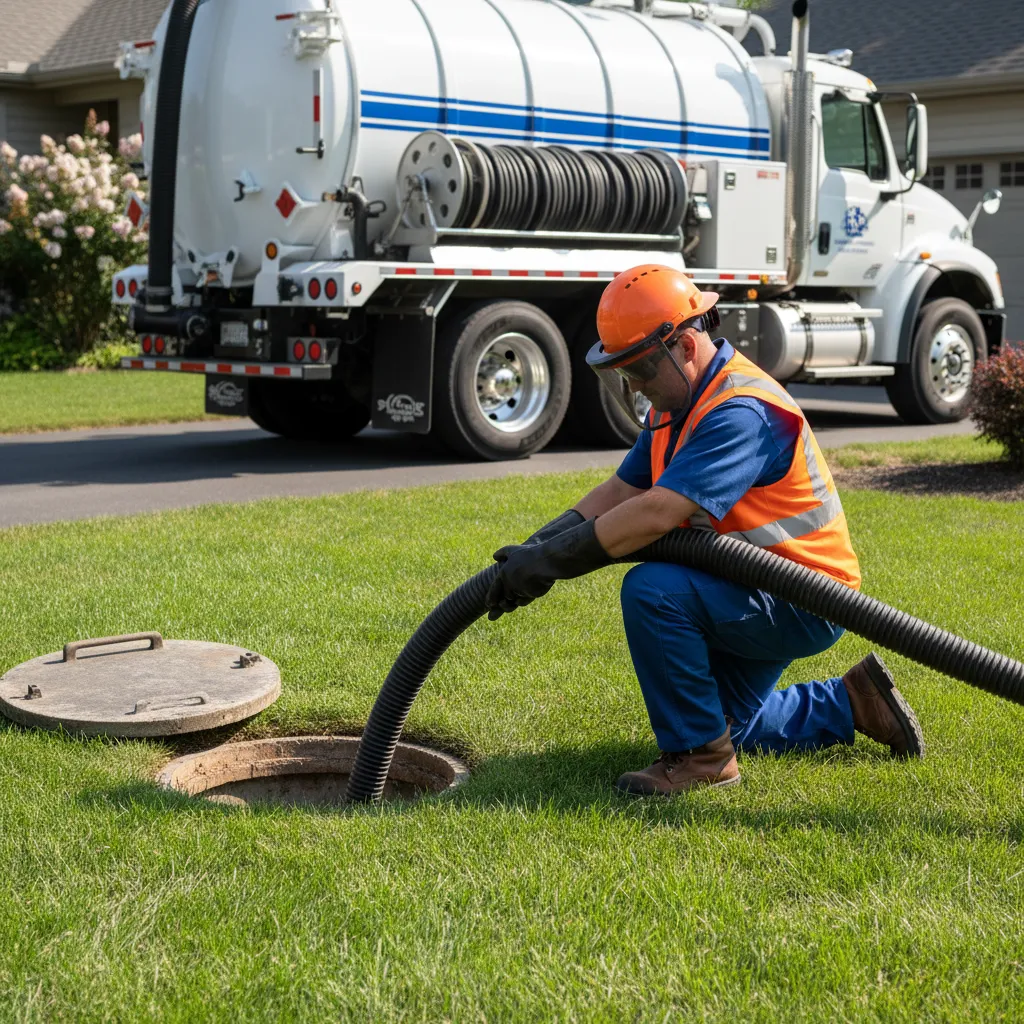
Septic inspections aren’t just for home sales. Several warning signs indicate your system needs a professional evaluation right now.
Slow Drains Throughout the House:
A single clogged drain might be a plumbing issue that requires drain cleaning. But when every sink, shower, and toilet drains sluggishly at the same time, the problem likely sits in your septic tank or the line feeding it. A clog in the main line or a full tank can cause this symptom. An inspector can diagnose whether solids have accumulated past safe levels or whether the outlet baffle is obstructed.
Odorous Conditions Near the Tank or Drain Field:
Sewage odors rising from your yard, especially around the tank lid area or over the leach field, point to a system that isn’t treating wastewater properly. Saturated soil, a failing biomat, or a cracked tank can all cause these conditions and create environmental concerns if waste disposal is compromised. A septic inspection pinpoints the source.
Standing Water or Lush Patches Over the Leach Field:
Grass that grows noticeably greener or thicker directly above your lateral lines means effluent is surfacing. Pooling water in the same area confirms the absorption trenches are overloaded or the percolation rate has dropped. This requires immediate assessment.
Alarm Activation on Your Pump Chamber:
If your float switch triggers the alarm panel, your dosing chamber or pump chamber has reached a high water level. An inspection determines whether the pump has failed, a line is blocked, or the drain field can no longer accept flow.
Property Purchase or Sale:
Most lenders and local regulations require a septic system inspection before closing. A Title V inspection or equivalent real estate transfer evaluation confirms the system is compliant, functional, and free of conditions that would require remediation before the transaction proceeds.
Our Septic Inspection Process
Septic inspections at Lakes Region Septic follow a structured, repeatable process using proven techniques that leave nothing unchecked.

Records Review and System Location
We review any available as built drawings, site plans, and prior service records. Our technicians locate the septic tank, distribution box, and drain field components using probe rods and electronic locating equipment.
Tank Access and Visual Assessment
We uncover and open all risers, lids, and access ports. The inspector visually evaluates the tank interior, checking for cracks, corrosion, and structural integrity of the concrete, fiberglass, or polyethylene tank walls.
Scum and Sludge Measurement
Using calibrated tools, we measure the depth of the scum layer and sludge layer relative to the clarified zone. These measurements tell us whether septic tank pumping is needed and whether solids are escaping to the drain field.
Component Testing
We inspect the inlet and outlet baffles, effluent filter, tee fittings, and any pump or aerator equipment. We run water through the system to observe flow, check for backflow conditions, and confirm the distribution box is routing effluent evenly to all lateral lines.
Drain Field Evaluation and Reporting
We probe the leach field, check for saturated soil or surfacing effluent, and perform a dye test if conditions warrant. All findings go into a detailed inspection report with photographs, measurements, and professional recommendations.
Brands We Use
Lakes Region Septic works with trusted, professional grade equipment and products from manufacturers known for reliability in the septic service industry.

Every piece of equipment we bring to your property is maintained, calibrated, and operated by trained technicians who prioritize safety on every job site.
Other Services
Service Category 1
Septic inspections
Septic tank inspection
Title V inspection
Drain field inspection
Residential septic inspection
Service Category 2
Septic system inspection
Septic tank assessment
Real estate septic inspection
Leach field evaluation
Home septic system check
Service Category 3
Tank evaluation, system assessment, wastewater inspection
Sludge measurement, baffle check, tank condition report
Property transfer, compliance certification, health department
Percolation test, soil saturation, absorption trench assessment
Homeowner inspection, pre-purchase evaluation, routine system review
FAQs About Septic Inspections
What does a septic inspection include?
A septic inspection is a full evaluation of your entire wastewater system. The inspector opens the tank, measures scum and sludge levels, checks baffles and effluent filters, tests flow through the distribution box, and evaluates the drain field for signs of failure or saturation. You receive a written report documenting every finding.
When should I schedule a septic inspection?
Schedule an inspection every three years for routine monitoring, or immediately if you notice slow drains, sewage odors, or wet spots over your leach field. You’ll also need one before buying or selling a property – most municipalities require a passing Title V or equivalent inspection before closing.
How long does a professional septic inspection take?
Most residential septic inspections take between two and three hours. Systems with multiple tanks, pump chambers, or advanced treatment units may require additional time. A camera inspection of sewer lines adds roughly 30 to 60 minutes.
Can a septic inspection reveal problems before they become expensive?
Yes. A qualified inspector can identify early stage conditions like a thickening biomat, a cracked baffle, or uneven distribution to lateral lines. Catching these issues during a routine inspection costs far less than emergency remediation, tank replacement, or new tank installation after a full system failure.
Does my septic system need to be pumped before an inspection?
Some inspection protocols require pumping the tank to allow a full visual assessment of the interior walls, baffles, and floor. Lakes Region Septic can provide complete plumbing service – we pump and inspect during the same visit, saving you time and a second service call.
How much does a septic inspection cost?
Pricing depends on system size, type, and complexity. A standard residential septic inspection with report typically falls within a predictable range. Contact Lakes Region Septic for a free estimate based on your specific system and property.