Annual Septic Inspections
Professional annual septic inspections protect your property, your health, and your investment in the Lakes Region area.
Available 24/7 – Call Now for a Free Quote
Why Choose Lakes Region Septic?
Nationwide service coverage
Licensed and insured technicians
Same-day emergency service
Satisfaction guarantee on every job
5 Highlights on Annual Septic Inspections
Certified inspectors assess every component
from the septic tank and distribution box to the drain field, baffles, inlet pipe, outlet pipe, and effluent filter — giving you a complete picture of your system’s condition.
We measure sludge layer and scum layer depths
inside each compartment to determine whether your tank needs pumping and to verify that solids aren’t migrating toward the leach field.
Accurate sludge measurement
Every inspection includes a written inspection report – with photographs, diagrams referencing your as-built drawing, and a clear maintenance log entry you can keep for your records or submit to the health department.
Our team checks mechanical parts
such as the dosing pump, float switch, alarm system, and aerator in advanced and alternative systems, confirming each device operates within manufacturer specifications.
We evaluate the soil absorption system
by probing lateral lines, examining the absorption bed for saturation, and looking for signs of biomat buildup or hydraulic failure that could lead to costly repairs.
Why Choose Our Annual Septic Inspections
Annual septic inspections are a core service at Lakes Region Septic. We’ve built our reputation on thorough, honest evaluations that homeowners and commercial property owners trust year after year.
Our inspectors hold current licenses and certifications required by state and local regulations. Each technician completes ongoing training on conventional gravity-fed tanks, pressurized mound systems, constructed wetlands, and drip irrigation configurations. We inspect residential cesspools and holding tanks with the same rigor we bring to large commercial aerobic treatment units.
We don’t cut corners. Our annual septic inspection process follows a standardized checklist that exceeds minimum health department requirements. We probe, measure, photograph, and document. You receive a detailed inspection report — not a vague summary.
Lakes Region Septic also stands behind its work with a satisfaction guarantee. If you have questions after receiving your report, we’ll walk through every finding at no extra charge. We maintain your records in our system so each subsequent annual inspection builds on the last, giving you a long-term view of your septic system’s health.
Scheduling is simple. We offer flexible appointments, seasonal reminders, and multi-year service agreements that lock in your rate. Trusted, qualified, and thorough — that’s what separates our annual septic inspection service from the rest.
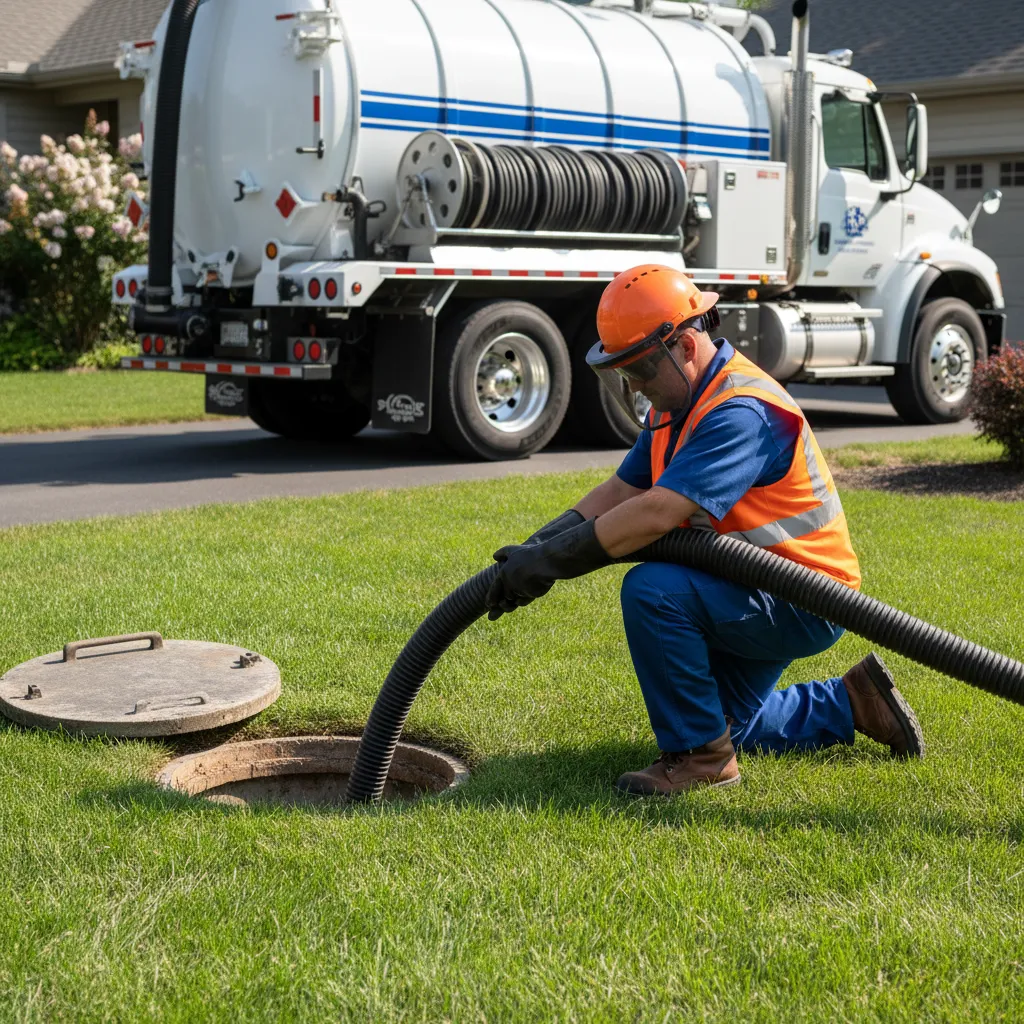
Signs You Need Annual Septic Inspections
Annual septic inspections are your first line of defense against system failure. Catching problems early saves thousands in repair and replacement costs. Here are five signs your property needs a professional inspection now.
Slow drains throughout the house:
When multiple fixtures drain sluggishly at the same time, the problem likely sits downstream in the septic tank or distribution box. A clogged effluent filter, a collapsed baffle, or excessive sludge buildup can restrict flow. An annual inspection identifies the exact cause before sewage backs up into your home.
Odorous air near the tank or drain field:
Foul smells around the septic tank lid, risers, or leach field indicate that anaerobic gases are escaping or that effluent is surfacing. This points to a saturated absorption bed, a failing soil absorption system, or a cracked access lid. Inspectors locate the source and recommend corrective action
Standing water or lush patches over the leach field:
Grass that grows noticeably greener or wetter above your lateral lines signals that wastewater isn’t percolating properly. Biomat accumulation, compacted soil, or a broken header pipe could be responsible. A trained inspector probes the area and evaluates percolation rates.
Alarm activation on advanced systems:
If your aerobic or pressurized system triggers its alarm, the float switch may have detected a high-water condition in the pump chamber. This could mean a failed dosing pump, a tripped breaker, or excessive water usage overwhelming the system.
More than twelve months since your last inspection:
Septic systems operate underground and out of sight. Corrosion, root intrusion, and gradual sludge accumulation happen silently. Routine annual inspections catch these subsurface issues before they become emergencies.
Our Annual Septic Inspection Process
Annual septic inspections at Lakes Region Septic follow a structured, repeatable process designed to evaluate every accessible component of your system.

Record review
We pull your property’s maintenance log, previous inspection reports, and as-built drawings. This tells us what type of system you have, where components are located, and what issues were flagged before.
Tank access and visual assessment
Our inspector locates and opens the access lid or riser. We visually assess the condition of the concrete, fiberglass, or polyethylene tank, checking for cracks, corrosion, and structural integrity of the divider wall and compartments.
Sludge and scum measurement
Using a calibrated probe, we measure the sludge layer at the bottom and the scum layer at the top. These readings determine whether pumping is due and whether solids are within acceptable limits.
Component inspection
We examine the inlet baffle, outlet baffle, effluent filter, tee fittings, and all visible piping. On systems with mechanical parts, we test the dosing pump, float switch, alarm, and aerator for proper function.
Drain field evaluation
We walk the leach field, check distribution box flow, probe for saturation, and look for surface breakout or erosion. We note any setback encroachments or changes to grading.
Report delivery
You receive a written inspection report with findings, photographs, measurements, and prioritized recommendations. We file a copy and update your maintenance log.
Brands We Use
Annual septic inspections require reliable tools and replacement parts from manufacturers we trust. Lakes Region Septic works with these top-rated brands:


We install and inspect only products that meet NSF/ANSI standards and carry manufacturer warranties.
Other Services
Service Category 1
Annual septic inspections
Septic inspection service
Residential septic inspection
Septic inspection near me
Commercial septic inspection
Septic plumbing services
Customer-friendly septic solutions
Trenchless septic repair
Septic tank cleaning
Service Category 2
Yearly septic system inspection
Septic system checkup
Home septic tank inspection
Local septic inspector
Business septic system evaluation
Sewer system inspection
Routine maintenance services
Trenchless technology solutions
Tank installation services
Service Category 3
Septic tank evaluation schedule
Drain field assessment near me
Septic compliance certificate
Septic system maintenance check
Septic permit inspection report
Septic tank installation
Drainage system services
Septic tank pumping
Minimal disruption service
FAQs About Annual Septic Inspections
What does an annual septic inspection include?
An annual septic inspection covers the full system — tank interior, sludge and scum levels, baffles, effluent filter, inlet and outlet pipes, distribution box, pump chamber components, and drain field condition. You receive a written report documenting every finding with photographs and measurements.
When should I schedule my annual septic inspection?
Schedule your inspection at the same time each year so you maintain a consistent maintenance log. Spring and fall are popular because ground conditions make access easier and inspectors can spot seasonal issues like high water table interference or frost-related damage.
Why do I need a septic inspection every year?
Septic systems degrade gradually underground where you can’t see them. Annual inspections catch failing baffles, rising sludge levels, saturated drain fields, and corroded components before they cause backups, contamination, or expensive emergency repairs. Many local health departments and real estate transactions require a current certificate of compliance.
How long does a professional septic inspection take?
Most residential annual septic inspections take between one and two hours. Systems with multiple compartments, pump chambers, aerobic treatment units, or large commercial configurations may require additional time.
Can an annual inspection extend the life of my septic system?
Yes. Consistent annual inspections paired with timely pumping and minor repairs routinely extend system life by ten to twenty years. Monitoring sludge accumulation, replacing worn effluent filters, and catching small leaks early prevents the kind of catastrophic failure that forces a full system replacement.
Does Lakes Region Septic provide inspection reports for property sales?
We do. Our inspection report meets the documentation standards required by lenders, real estate agents, and local health departments for property transfer. We certify system condition and note any non-compliant items that need remediation before closing.