Septic Camera Inspections
Professional septic camera inspections that locate plumbing issues and sewer line problems before they become costly disasters.
Available 24/7 – Call Now for a Free Quote
Why Choose Lakes Region Septic?
Nationwide service coverage
Licensed and insured technicians
Same-day emergency service
Satisfaction guarantee on every job
5 Highlights on Septic Camera Inspections
High definition video feed
Our CCTV cameras and inspection camera technology record real-time footage inside septic tanks, distribution boxes, and lateral lines so you see exactly what we see on the monitor.
Pinpoint problem detection
We use a self leveling camera paired with a sonde transmitter and locator to detect roots, offset joints, belly sags, leaks, and corroded piping sections with accurate precision.
Non invasive diagnostics
Septic camera inspections let our technicians assess your complete wastewater system without excavating your lawn, saving you time and thousands in unnecessary drilling and digging costs.
Comprehensive recorded reports
Every inspection includes saved footage, video pipe data, and image captures that document the condition of your sewer line, effluent filter, baffles, and drain field connections for your records and for state health department compliance.
Pre purchase and routine use
Whether you’re buying a property or maintaining an existing system, a professional camera inspection helps discover failing components, clogged perforated pipes, and non compliant installations before they cause sewage backup or groundwater contamination.
Why Choose Our Septic Camera Inspections
Septic camera inspections are a core specialty at Lakes Region Septic. We specialize in pipe inspection services and don’t treat them as an afterthought or an upsell tacked onto a pump truck visit. Our experienced, certified technicians carry dedicated push camera systems and crawler camera units built specifically for navigating the tight, submerged conditions inside septic infrastructure.
We’re licensed, insured, and trusted across the Lakes Region. Our expert team has scoped thousands of septic tanks, conveyance lines, pump chambers, and drain field laterals. We know what a healthy system looks like on screen, and we know how to identify the early signs of biomat buildup, baffle deterioration, cracked PVC pipe, and grease laden blockages that other plumbers and companies miss.
Every inspection comes with a recorded video file and a written assessment. You get a clear explanation of what we found, where we found it, and what solutions are needed next. No guesswork. No vague recommendations.
We also coordinate directly with health department inspectors, engineers, and soil scientists when your situation calls for permit work, septic design review, or line replacement planning. Lakes Region Septic stands behind every camera inspection with honest findings and qualified follow through. Our reputation depends on accuracy, and we protect it on every job. Contact us today for a free estimate.
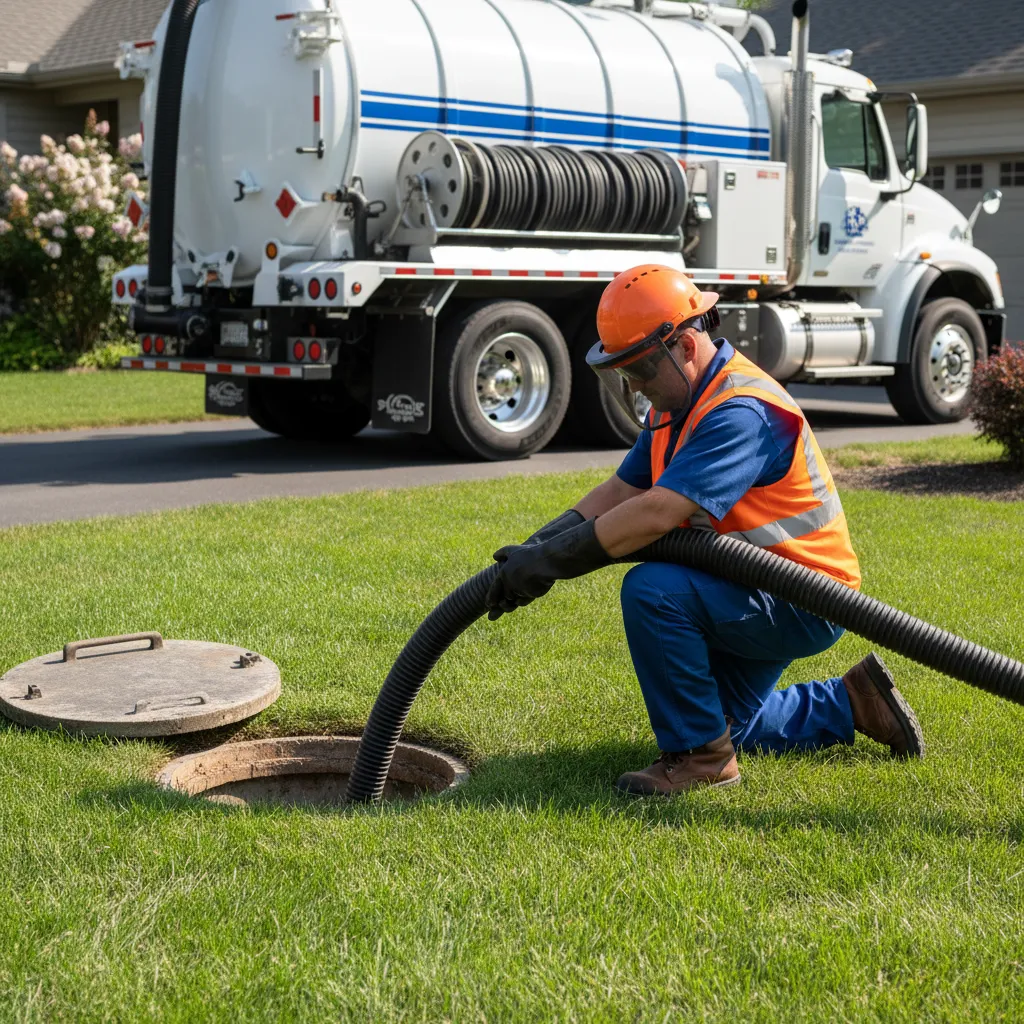
Signs You Need Septic Camera Inspections
Septic camera inspections are the best and fastest way to diagnose what’s happening underground when your system starts acting up. Here are five signs it’s time to reach out and call us.
Slow drains throughout the house:
When multiple fixtures including toilets drain sluggishly at the same time, the issue usually sits downstream in the sewer lines or at the septic tank inlet. A push camera inspection can effectively scope the full length of the drainpipe to locate obstructions, sediment buildup, scale deposits, or a collapsed section of cast iron or Orangeburg pipe.
Sewage odor near the tank or drain field:
Foul, persistent smells and gas odor around your septic tank risers, access lids, or leach field area often signal a cracked baffle, a saturated absorption field, or a failing effluent filter. Camera footage effectively reveals the underlying source without excavation.
Wet spots or standing water over the leach field:
Saturated soil and wet surface areas above your lateral lines means effluent isn’t percolating properly. A camera inspection of the distribution box and perforated pipes can detect biomat accumulation, root intrusion, or crushed pipe sections restricting drainage flow.
Sewage backup into the home:
A backed up system is an emergency. Before we pump or jet, we scope the line to determine the exact location and reason for the blockage, whether it’s a grease buildup, tree root mass, offset joint, or belly sag in the conveyance line. This helps us plan the fix and prevent future problems.
Buying or selling a property:
A pre purchase septic camera inspection protects both parties and offers the perfect opportunity to negotiate repairs. We record the condition of the tank interior, baffles, inlet and outlet pipes, pump chamber, and drain field connections so there are no surprises after closing.
Our Septic Camera Inspection Process
Septic camera inspections at Lakes Region Septic follow a structured, repeatable process that delivers highly reliable diagnostic results every time. Our inspection services ensure you get accurate findings.

Access and preparation
Our technician locates your septic tank risers or access lids and opens the system. If your tank lacks risers, we can locate buried lids using probe rods and as built drawings or site plans to ensure we reach the right access point.
Initial visual assessment
Before inserting the camera, we evaluate sludge and scum levels inside the tank, check the inlet and outlet baffles, and inspect the effluent filter if one is installed. This gives us baseline context for the specialized camera work required.
Camera deployment
We feed a waterproof, self leveling push camera through the outlet pipe, distribution box, and into the lateral lines of your drain field. For longer sewer line runs, we use a flexible fiber optic cable system with LED lights and a pan tilt camera head for complete coverage using the best available technology.
Real time recording and location marking
The monitor displays live video feed while our recording unit saves the footage. When we detect a defect, we activate the sonde transmitter so our above ground locator can mark the exact position and depth on the surface.
Report delivery
You receive the recorded footage, image captures of key findings, and a written assessment with recommended next steps, whether that’s repairs, replacement, or continued monitoring. You can rely on our experience to help you quote any related work.
Brands We Use
Septic camera inspections demand reliable, professional grade equipment.







All our camera equipment is maintained, calibrated, and waterproof rated for full submersion.
Other Services
Service Category 1
Septic camera inspection
Septic system camera inspection
Drain field camera inspection
Septic video inspection
Sewer camera inspection septic
Trenchless pipe inspection
Service Category 2
Septic tank camera inspection
Septic line camera inspection
Leach field camera scope
Septic pipe camera service
Push camera septic inspection
Video pipe inspection services
Service Category 3
Sewer scope inspection
CCTV pipe inspection
Lateral line video inspection
Underground pipe camera diagnosis
Real time septic system assessment
Sewer line inspection camera
FAQs About Septic Camera Inspections
What is a septic camera inspection?
Schedule one when you notice slow drains, sewage smell or odors, wet spots over your leach field, or any sewage backup. You should also get a camera inspection before buying a property with a septic system, after a failed perc test or health department review, and as part of routine maintenance every three to five years. Call us for a free estimate.
When should I schedule a septic camera inspection?
The camera head contains a sonde transmitter that sends a signal to an above ground locator. This lets the technician mark the exact horizontal position and depth of any defect, whether it’s a root intrusion, cracked pipe, offset joint, or collapsed section. This data helps save time and cost when planning repairs.
How does the camera locate problems underground?
The camera head contains a sonde transmitter that sends a signal to an above ground locator. This lets the technician mark the exact horizontal position and depth of any defect, whether it’s a root intrusion, cracked pipe, offset joint, or collapsed section. This data helps save time and cost when planning repairs.
Can a septic camera inspect the drain field laterals?
Yes. A push camera or lateral launcher can navigate through the distribution box and into the perforated pipes of your absorption field. This reveals biomat buildup, crushed pipe, sediment blockages, and root penetration inside the laterals. Our sewer inspection approach is the perfect way to determine what drain cleaning or other services may be needed.
Does a camera inspection replace pumping?
No. Camera inspections and pumping serve different purposes. Pumping and cleaning removes accumulated sludge and scum. A camera inspection diagnoses structural and flow problems. We often recommend pumping the tank first so the camera can capture clear footage of the baffles, tank walls, and outlet pipe without obstruction.