
Drain Field Installation
Professional drain field installation for residential and commercial properties across the Lakes Region – trusted, licensed, and insured experts you can call for reliable service
Available 24/7 – Call Now for a Free Quote
Why Choose Lakes Region Septic?
Nationwide service coverage
Licensed and insured technicians
Same-day emergency service
Satisfaction guarantee on every job
5 Highlights on Drain Field Installation
Certified site evaluation and perc testing
Every drain field installation begins with a thorough soil test and percolation test to determine absorption rates, water table depth, and bedrock proximity. Our experienced inspector will survey your property and provide detailed information before we break ground.
Gravity fed and pressurized system expertise
Our licensed contractors specialize in conventional gravity fed drain fields, low pressure distribution systems, mound systems, and chambered gravelless configurations. We use top-quality pipes and technology tailored to your site conditions for long-lasting performance.
Full permitting and code compliance
We handle all required health department permits, setback calculations, and code enforcement requirements so your new leach field meets every local and state regulation from day one. Our comprehensive approach ensures your job is completed to code.
Proper reserve area designation
Each drain field installation includes mapping a designated replacement area, giving you a permitted backup space if your primary absorption field ever needs future repair or replacement. This long-term planning helps protect your property and prevent issues down the line.
Engineered distribution for long system life
We install distribution boxes, pressure manifolds, and perforated pipe laterals sized to evenly disperse effluent across your entire absorption trench network. This engineered efficiency helps prevent premature biomat buildup, clog formation, and soil saturation while ensuring reliable long-term performanc
Why Choose Our Drain Field Installation
Drain field installation is the most consequential part of any septic system project. A poorly installed leach field will fail. A properly installed one will treat wastewater efficiently for decades. That difference comes down to who does the work and the experience they bring to the job.
Lakes Region Septic employs licensed and experienced installers who’ve excavated and built absorption fields across every soil type in the region. Clay, sand, loam, ledge – we’ve graded and trenched through all of it. Our qualified crews operate their own backhoes and excavators, and they understand how pipe slope, gravel depth, and filter fabric placement affect long-term effluent dispersal and sewer line performance.
We don’t subcontract. Your site evaluation, perc test coordination, permit filing, excavation, pipe fitting, gravel placement, backfill, and final grading all happen under one crew with one point of contact. That keeps your drain field installation on schedule and built to spec, with expert care from start to finish.
Every system we install comes with a written workmanship guarantee backed by our commitment to quality. We also photograph each stage of construction before backfill so you have a permanent record of what’s underground. Health department inspections verify our work at multiple stages, and we maintain a near perfect pass rate on first inspection. Trust our team to resolve any questions you have along the way.
You’re hiring a team equipped to treat your absorption field like the engineered wastewater treatment infrastructure it actually is. We’re the go-to plumbing and septic experts for homeowners who expect top-quality workmanship.
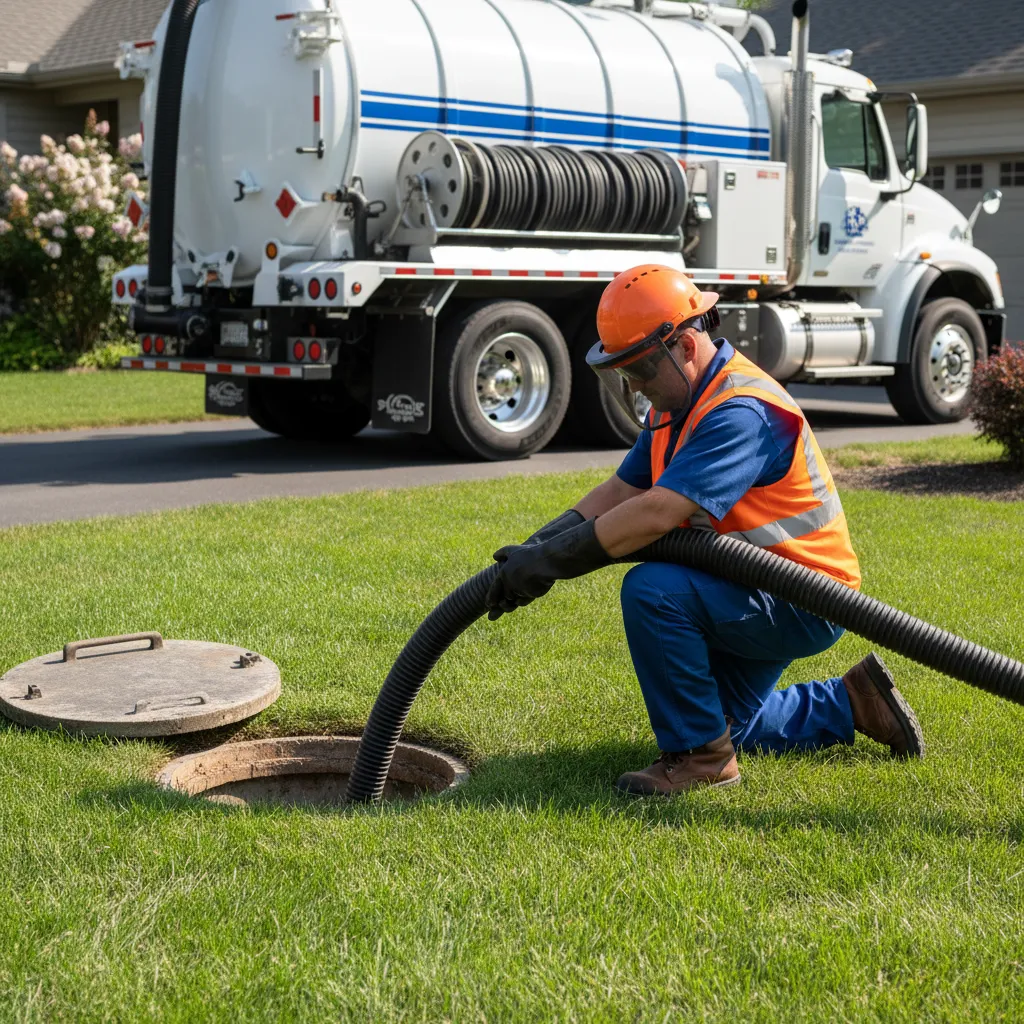
Signs You Need Drain Field Installation
Soggy or spongy ground over your existing leach field:
Saturated soil above your absorption trenches means effluent isn’t percolating downward anymore. A failed biomat layer, compacted subsoil, or damaged distribution pipe can all cause this. When the ground stays wet even during dry weather, your current drain field has likely reached the end of its service life and needs full replacement with a new installation. Call for help if you notice these issues.
Sewage backing up into the house:
Blackwater surfacing in basement drains or lower level fixtures signals that your septic tank can’t discharge effluent into the drain field. The absorption field may be clogged, overloaded, or completely non functional due to root intrusion or sewer system damage. Pumping the tank provides temporary relief, but if backups recur frequently within weeks, a new drain field installation is the permanent fix. We respond to emergencies and can help resolve these plumbing issues efficiently.
Strong odors near the septic area:
Odorous gases escaping from the ground around your leach field indicate anaerobic conditions and failing soil absorption. Healthy drain fields process effluent below grade without detectable smell. Persistent septic odor at the surface means wastewater is pooling rather than filtering through unsaturated soil layers. Tree root intrusion can also contribute to these issues by damaging the sewer line infrastructure.
Perc test failure on an aging system:
If your property’s original percolation test data no longer reflects actual soil conditions – or if a new test reveals the absorption rate has degraded – your existing drain field can’t treat effluent at the volume your household produces. A new drain field installation with properly sized trenches and fresh aggregate restores treatment capacity. This repair work requires time and expert planning to ensure lasting results.
Health department notice of non compliance:
Code enforcement may flag your system after a routine inspection, a property transfer evaluation, or a neighbor’s contamination complaint. A non compliant drain field puts you on a timeline with risk of fines. We expedite new drain field installations for homeowners facing compliance deadlines, handling permits, excavation, and inspection scheduling in a compressed window. Call us for a free estimate and we’ll guide you through the required steps.
Our Drain Field Installation Process
Drain field installation is a sequenced construction process. Each step depends on the one before it. Here’s what to expect when you work with our experienced team.

Site evaluation and soil testing
We walk your property, identify the best location based on setbacks from wells, structures, and property lines, and coordinate a percolation test. Soil borings reveal water table depth, bedrock depth, and soil composition. A video inspection or camera inspection of existing lines may be required to assess current conditions.
System design and permitting
Based on perc test results and household size, we design the absorption field layout. This includes trench length, lateral count, distribution box placement, and gravel bed depth. We submit plans to the health department and secure your permit. Our support team provides details on all required documentation.
Excavation and grading
Our excavator opens the trenches to precise depth and grade using careful digging techniques. Proper slope across every lateral ensures even effluent distribution. We remove unsuitable material and establish a level base. Our crews protect the surrounding area and clean up the workspace as we go.
Aggregate and pipe installation
We lay washed gravel or install infiltrator chambers, then place perforated pipe at the correct elevation. The distribution box or pressure manifold connects to the header pipe running from your septic tank outlet. Every line is carefully positioned for optimal performance and to prevent future leaks.
Connection, inspection, and backfill
We connect all piping, install filter fabric over the aggregate, and request the health department inspection. After passing inspection, we backfill with native soil, grade the surface, and restore your yard. The job is completed with care, and we take time to ensure everything meets code.
Brands We Use
Drain field installation demands components built to handle decades of subsurface wastewater exposure.






Every component we install meets or exceeds local code requirements.
Other Services
Service Category 1
Drain field installation
Install drain field
Drain field installer near me
Residential drain field installation
Drain field replacement
Sewer line repair
Service Category 2
Leach field installation
Absorption field installation
Septic leach field contractor
Gravity fed drain field install
Septic absorption trench installation
Camera inspection services
Service Category 3
Septic drain field cost
New leach field replacement
Percolation test for drain field
Distribution box and laterals
Effluent dispersal system design
Emergency plumbing services
FAQs About Drain Field Installation
What is a drain field installation?
A drain field installation is the construction of an underground wastewater dispersal system connected to your septic tank. It includes excavating trenches, placing gravel or chambers, laying perforated pipe laterals, installing a distribution box, and backfilling with native soil. The finished absorption field filters and treats effluent as it percolates through the soil. Our plumber team handles fixing and replacing all components, clearing any existing obstructions before work begins.
When does a property need a new drain field?
You need a new drain field when your existing leach field has failed, when you’re building a new home on undeveloped land, or when you’re expanding a structure and the current system can’t handle increased wastewater volume. Health department orders and non compliant inspection results also trigger new installations. Regular maintenance and inspections can help identify when repairs or full replacement is required.
How long does drain field installation take?
Most residential drain field installations take two to five days of active construction after permitting. Perc testing and permit approval can add two to six weeks depending on your local health department’s schedule. We coordinate the full timeline so you know every milestone in advance. Our team will provide an estimate and keep you informed throughout the process.
Can you install a drain field in winter?
We can excavate and install drain fields in cold weather as long as the ground isn’t frozen beyond workable depth. Frost depth, snow cover, and soil moisture all factor into scheduling. Early spring and fall are the most predictable windows in the Lakes Region. We use trenchless methods when possible to minimize digging and protect your property from unnecessary damage.
Can I pump my own septic tank?
Soil type directly determines your drain field size, trench depth, and system configuration. Sandy soils drain fast and may need shorter trenches. Clay soils absorb slowly and require longer laterals or an alternative system like a mound or sand filter. The percolation test gives us the exact data we need to size your installation correctly. Water heater and other plumbing connections may also affect the system design.
How much does drain field installation cost?
Cost depends on system type, trench footage, soil conditions, and site access. Conventional gravity fed installations cost less than pressurized or mounded systems. We provide detailed written estimates after completing your site evaluation and perc test review. Call for a free consultation and we’ll discuss your options with no obligation.