
Septic Pipe & Connection Repair
Professional pipe and connection repair from a trusted, family-owned company that keeps your septic system sealed, aligned, and flowing right – reliable, fast, and expert quality service you can count on
Available 24/7 – Call Now for a Free Quote
Why Choose Lakes Region Septic?
Nationwide service coverage
Licensed and insured technicians
Same-day emergency service
Satisfaction guarantee on every job
5 Highlights on Septic Pipe & Connection Repair
Comprehensive Pipe Diagnostics
Our experienced technicians use advanced sewer camera inspection technology and electronic locator equipment to diagnose and pinpoint cracked, offset, or bellied pipes buried underground. We identify the exact failure point before any excavation begins, saving you time and money on your septic pipe repair.
Full Connection Restoration
We repair and replace every type of septic connection, including Fernco couplings and tee fittings to solvent welded PVC joints and threaded adapters. Each connection gets sealed watertight using quality materials to ensure no leaks, effluent seepage, or root infiltration.
Inlet and Outlet Pipe Specialists
Damaged inlet pipes and corroded outlet pipes cause backups, odorous conditions, and drain field saturation. Our sewer line experts handle these critical septic tank connections using rigid Schedule 40 PVC and proper grade alignment.
Emergency Backup Response
Backed-up sewage won’t wait. Our crew responds fast with vacuum truck support, drain cleaning, and hydro jetting capability to clear blockages and complete pipe repairs the same-day whenever possible.
Code Compliant Workmanship
Every septic pipe and connection repair meets local permit requirements and setback regulations. Our licensed and insured team documents all work for your records and coordinates with inspections when needed.
Why Choose Our Septic Pipe & Connection Repair
Septic pipe and connection repair is one of the most technically demanding plumbing services in the septic industry. A single misaligned joint or degraded coupling can send raw sewage into your yard, cause water damage, contaminate groundwater, lead to foundation damage, or destroy an entire leach field. Addressing any pipe issue quickly is critical. Lakes Region Septic has built its reputation on getting these repairs done right the first time.
Our plumbers and technicians hold years of field experience working with every pipe material found in residential and commercial septic systems. PVC, ABS, cast iron, clay, and even old Orangeburg pipe — we’ve diagnosed and completed sewer repair on them all using both traditional and modern methods. We understand how each material degrades, where connections fail, and what replacement methods deliver the longest long-term service life.
We stock our trucks with a full inventory of couplings, elbows, wye fittings, reducers, bushings, gaskets, and sealants. That means fewer delays and faster completion on your septic connection repair. Our crews carry pipe wrenches, solvent cement, primer, Teflon tape, and Fernco couplings to offer fixes for every common repair scenario and make sure jobs are completed efficiently.
Lakes Region Septic stands behind every pipe and connection repair with a written workmanship guarantee — a commitment our customer reviews consistently recommend us for. We don’t cut corners with temporary patches or undersized fittings. We fix the root cause, verify proper slope and alignment, and pressure test every joint before backfilling the trench. You get a permanent, watertight repair backed by an excellent team that answers the phone when you reach out. Contact us anytime for help.
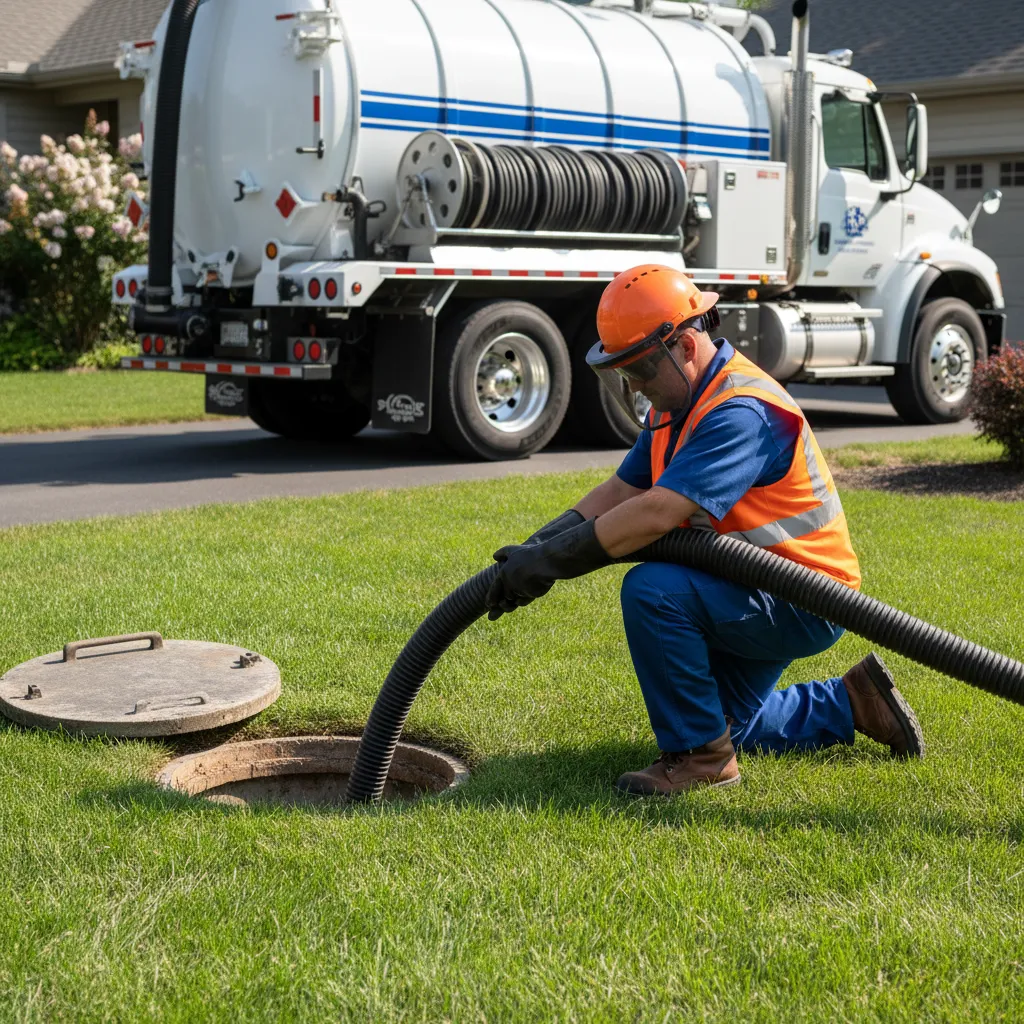
Signs You Need Septic Pipe & Connection Repair
Septic pipe and connection failures don’t always announce themselves with a dramatic sewage backup. Many problems develop gradually underground, and recognizing the warning signs early can help save you money and prevent a small repair from becoming a full line replacement or system replacement. Check for these common signs.
Persistent Wet Spots in Your Yard:
Soggy, odorous patches of grass between your home and septic tank often indicate a cracked or fractured pipe leaking effluent into the surrounding soil. This mess is especially common with older clay pipe or Orangeburg pipe that has degraded and collapsed over decades. The saturated ground may feel spongy underfoot, and from any view the grass above the leak often grows noticeably greener than the rest of your clean lawn.
Slow Drains Throughout the House:
When every fixture in your home drains sluggishly at the same time — toilet, sink, shower, and kitchen included — the problem usually sits in the main septic line rather than individual drain pipes. A bellied pipe section, an offset connection at the septic tank inlet, clogs, or a root infiltrated joint can restrict flow enough to slow your entire plumbing system. Snaking the line may provide temporary relief, but the pipe or connection itself needs professional plumbing services to repair.
Sewage Odors Near the Tank or Yard:
Septic gas escaping from a failed gasket, a cracked riser connection, or a deteriorated pipe joint produces that unmistakable hydrogen sulfide smell and unpleasant odors. You might notice it strongest near cleanout access ports, around the distribution box, or along the buried pipe run. These odors signal that a sealed connection has broken down and needs immediate attention.
Gurgling Sounds in Plumbing Fixtures:
Air entering through a fractured pipe or a disconnected coupling creates gurgling noises in toilets, sinks, and tub drains. This trapped air disrupts normal gravity fed flow and indicates a breach somewhere in your septic pipe network. You may hear it when water is running or draining back through the system.
Recurring Backups After Pumping:
If your septic tank backs up shortly after a professional pumping and cleaning, the problem isn’t tank capacity. A blocked outlet pipe, a collapsed connection at the distribution box, or a clogged effluent filter housing with a cracked fitting is restricting flow out of the tank. This pattern points directly to a pipe or connection failure that pumping alone can’t solve.
Our Septic Pipe & Connection Repair Process
Septic pipe and connection repair follows a structured sequence that works to ensure accurate diagnosis and a lasting fix. Here’s how our team at Lakes Region Septic handles every job from start to finish to give you peace of mind.
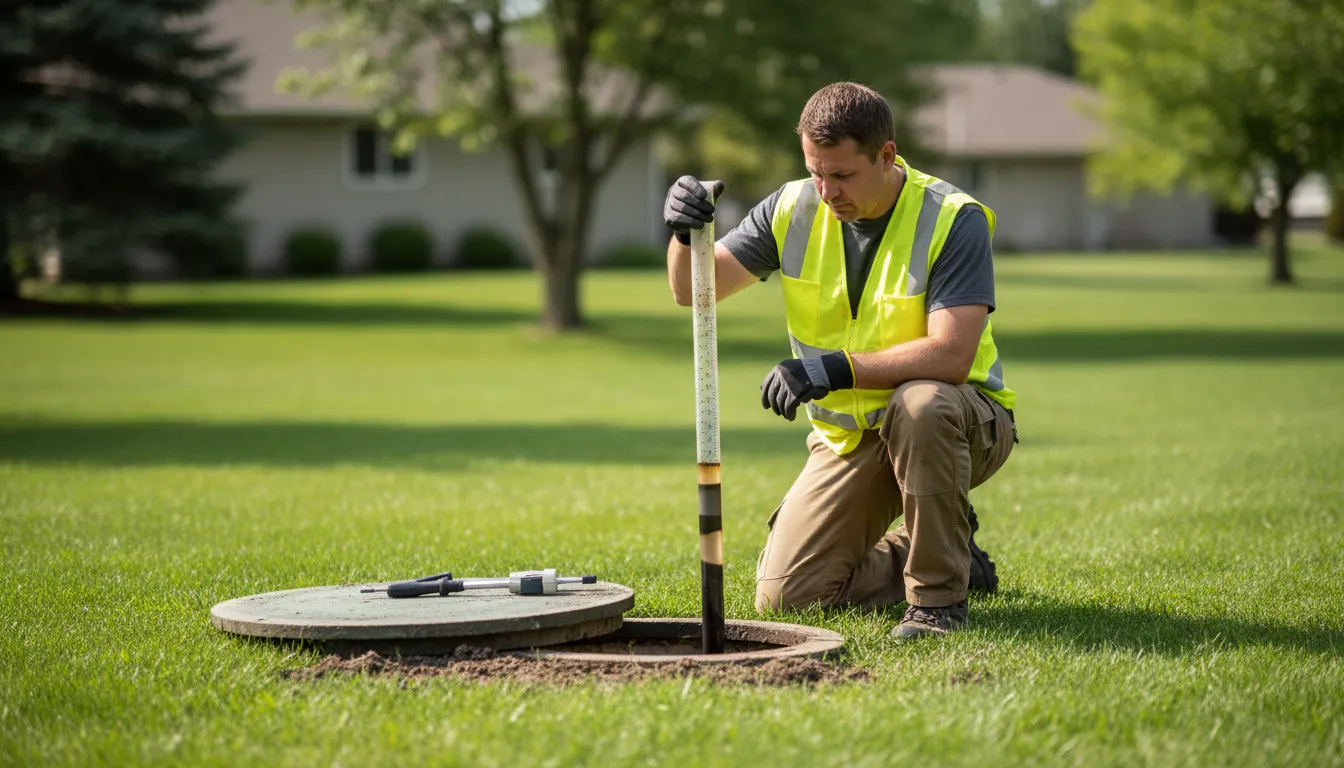
Site Assessment and Camera Inspection
We begin by gathering information about your system’s age, layout, and symptoms. Our expert technician feeds a high resolution sewer camera through cleanout ports and access points to visually inspect the interior condition of your pipes. We identify cracks, offsets, root infiltration, bellied sections, and failed connections in real time.
Locating and Marking
Using an electronic pipe locator paired with the camera, we map and mark the exact position and depth of the damaged section on the ground surface. We also flag buried utilities, setback boundaries, and any nearby drain field components before digging.
Excavation
Our crew uses a backhoe or compact excavator to carefully trench down to the damaged pipe or connection, or we may use trenchless methods when conditions allow. We expose enough of the line to work comfortably and inspect adjacent fittings for secondary damage.
Pipe and Connection Repair
We cut out the failed section and complete new line installation with pipe, couplings, and fittings matched to your system’s material and diameter. Every joint gets solvent welded, cemented, or sealed with appropriate gaskets and clamps. We verify proper slope, alignment, and watertight integrity before moving forward.
Testing and Backfill
We run water through the repaired section and confirm unobstructed flow with a final camera pass. Once the repair passes inspection, we backfill the trench in layers, compact the soil to prevent settling, and restore the ground surface to maintain your property’s appearance.
Brands We Use
Septic pipe and connection repair demands materials that resist corrosion, root penetration, and long term soil pressure.






Every product we install meets ASTM standards and carries manufacturer certification for underground septic use.
Other Services
Service Category 1
Septic pipe repair
Septic connection repair
Septic pipe replacement
Septic inlet pipe repair
Septic system pipe service
Trenchless sewer repair
Service Category 2
Septic line repair
Septic fitting replacement
Broken sewer pipe to septic tank
Outlet pipe repair septic tank
Underground septic pipe repair
Sewer line replacement
Service Category 3
Cracked septic pipe fix
Leaking septic joint repair
PVC septic pipe installation
Septic tank pipe connection
Collapsed septic pipe excavation
Septic pipe burst repair
FAQs About Septic Pipe & Connection Repair
What is septic pipe and connection repair?
Septic pipe and connection repair is the process of fixing or replacing damaged, cracked, corroded, or misaligned pipes and fittings within a septic system. This plumbing project includes inlet pipes, outlet pipes, distribution box connections, couplings, elbows, and tee fittings as part of our comprehensive sewer services. The goal is restoring watertight, properly graded flow between your home’s plumbing and the septic tank, and from the tank to the drain field.
When should I schedule a septic pipe inspection?
Schedule an inspection when you notice slow drains in multiple fixtures, sewage odors in your yard, wet spots over the pipe run, or recurring backups after the tank has been pumped. Don’t hesitate to visit our website or call for help. Homes with septic systems older than 20 years should also have their pipes inspected during routine tank pumping, since clay, cast iron, and Orangeburg pipe degrade significantly over that timeframe.
How long does a septic pipe repair take?
Most single point repairs — a cracked coupling, a failed gasket, a burst section, or a short section of fractured pipe — take one day to complete. Longer runs of collapsed or root infiltrated pipe may require two days when extensive trenching and backfill work is involved. Having hot water and full plumbing restored quickly is our priority.
Can you repair pipes without digging up my entire yard?
Yes. Our camera inspection and electronic locating equipment let us pinpoint the exact failure location. We only excavate the section that needs repair rather than trenching the full pipe run. This targeted approach minimizes disruption to your landscaping, keeps costs low, and shows respect for your property. We serve our customers with their comfort in mind.
Does a septic pipe repair require a permit?
Permit requirements vary by municipality, and each has its own policy. Many local codes require a permit for any excavation or modification to a septic system’s piping. As a locally owned company, Lakes Region Septic handles permit coordination and ensures every repair meets current code before backfilling.
How much does septic pipe and connection repair cost?
Cost depends on the pipe material, depth of burial, length of the damaged section, and accessibility. A straightforward coupling replacement near the surface costs significantly less than replacing a deep, collapsed run of cast iron pipe. We provide a detailed written quote and free estimate after our camera inspection so you know the full scope before work begins. Our friendly team is happy to answer any questions.